
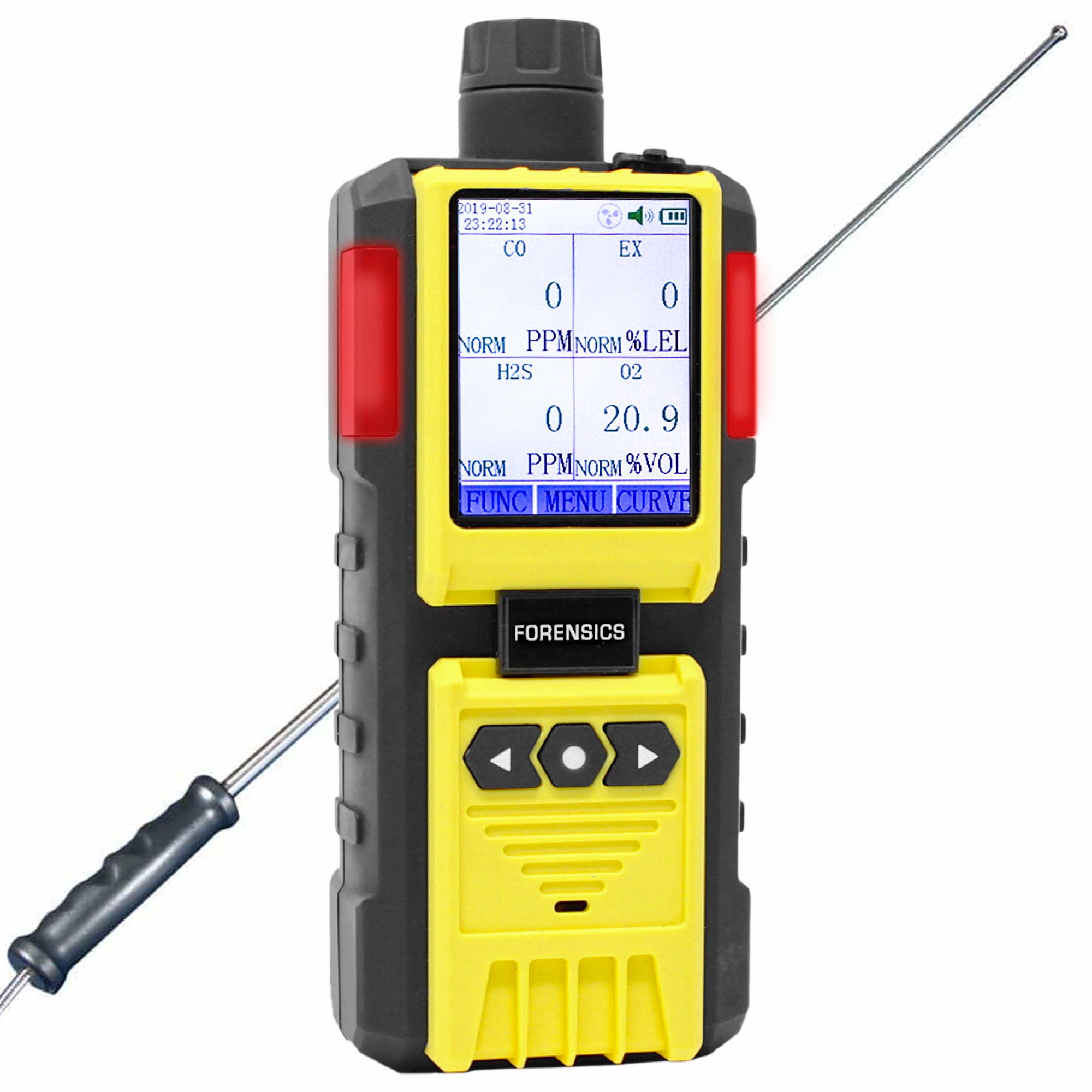
In an era where heavy-duty refuge, state of affairs monitoring, and heathland tribute are dominant, the orbit of gas signal detection has witnessed remarkable advancements. As industries germinate and regulations become stricter, the need for trusty, efficient, and right gas signal detection systems is more material than ever. This clause explores the current innovations in sensors and a priori techniques that are shaping the time to come of gas detection.
The Importance of Gas Detection
Gas signal detection engineering plays a life-sustaining role in various sectors, including manufacturing, health care, agriculture, and state of affairs protection. The ability to notice hazardous gases such as carbon paper monoxide, methane, and fickle organic compounds(VOCs) not only safeguards workers but also helps extenuate situation risks. The complexity of gas detection lies in the diversity of gases, each requiring particular detection methods and technologies.
Advancements in Sensor Technology
Recent innovations in sensor applied science have dramatically enhanced the capabilities of gas signal detection systems. Traditional sensors, often limited by their sensitiveness and specificity, are being replaced or supplemented by more hi-tech technologies.
-
Electrochemical Sensors: These sensors are pop due to their high sensitiveness and selectivity for specific gases. Newer models have been improved to offer improved response multiplication and yearner lifespans, qualification them appropriate for unremitting monitoring applications.
-
Photoionization Detectors(PIDs): PIDs have gained traction for their ability to detect low concentrations of VOCs in real time. Advances in PID applied science now allow for increased portability and lower power expenditure, which is vital for domain applications.
-
Infrared Sensors: These sensors employ the unusual soaking up characteristics of gases at specific wavelengths. Innovations in infrared technology, including tunable semiconductor diode lasers and microelectromechanical systems(MEMS), have led to more bundle off and cost-effective solutions for detective work gases like carbon paper and methane.
-
Nanomaterial-Based Sensors: The growth of nanotechnology has open new frontiers in gas detection. Nanomaterials such as graphene and carbon paper nanotubes show extraordinary sensitiveness and can be engineered to respond to particular gases, pavement the way for next-generation sensors with enhanced public presentation.
Analytical Techniques
Beyond sensor advancements, the desegregation of sophisticated logical techniques is transforming gas signal detection.
-
Gas Chromatography(GC): Coupled with mass spectroscopy(MS), GC-MS has become a gold standard for analyzing complex gas mixtures. Recent innovations have led to the miniaturization of GC systems, allowing for outboard applications that were once restrained to laboratory settings.
-
Machine Learning and Data Analytics: The Second Coming of big data and machine erudition has introduced powerful logical capabilities to gas signal detection. Algorithms can work vast amounts of data from sensors, characteristic patterns and anomalies that human operators might neglect. This enhances prophetic sustenance and helps keep gas-related incidents before they occur.
-
Remote Sensing Technologies: Innovations in remote control sensing, such as planet-based gas signal detection, allow for vauntingly-scale monitoring of atmospheric gases. These technologies provide indispensable data for situation monitoring and regulative compliance, sanctionative real-time assessments of air timbre.
Conclusion
As the landscape of gas signal detection continues to evolve, the integration of groundbreaking sensors and a priori techniques is paving the way for safer, more effective systems. The importance of correct alcohol sensors detection cannot be exaggerated, given its implications for public wellness, state of affairs protection, and heavy-duty safety. Embracing these advancements will not only raise our ability to find hazardous gases but also foster a safer and more property futurity. As industries face new challenges, the ongoing development of gas detection applied science will be necessary in navigating the complexities of modern safety and situation stewardship.