
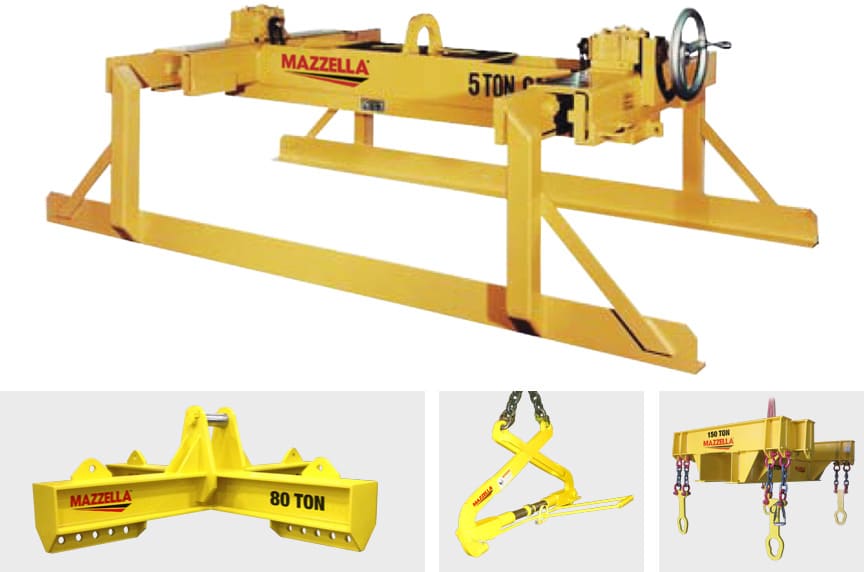
Below the hook lifting are specialized tools that direct to a stretch out or hoist to lift, move, and set out oodles. They sit between the lifting machine and the stuff being handled, which is why they are titled below the hook lifting devices. In industrial plants, warehouses, ports, and twist sites, these play a John R. Major role in keeping lifting operations restricted and predictable. Instead of relying on basic maulers alone, operators use resolve well-stacked attachments that play off the load s size, form, and angle.
Why below-the-hook lifting devices Matter
Moving heavily materials always carries risk. Below the hook lifting reduce that risk by up balance, grip, and load verify. When a load is stable, workers can guide it into place without unexpected swings or drops. This not only protects people close but also prevents damage to and materials. Companies that vest in proper below the hook lifting often see fewer accidents, electric sander workflows, and better productiveness on the stun.
How These Devices Work with Cranes and Hoists
Below the hook lifting attach to to the stretch out hook or run up line using secure connections such as shackles or pins. Once sessile, the device holds the load using different methods depending on the design. Some rely on mechanical grip, others use slings or bars to angle evenly. The crane provides the lifting world power, while the below the hook lifting devices wangle how that major power is practical to the load. This legal separation of roles is what makes lifting safer and more finespun.
Common Types of Below the Hook Lifting Devices
There are many styles of below the hook lifting devices, each proper to particular materials and tasks. Some of the most green include:
Spreader bars, used to angle across long or flexible loads Lifting beams, studied for heavier scads that need strict support Plate clamps, apotheosis for riveting steel plates securely Coil lifters, shapely for treatment nerve or wire coils C hooks, ordinarily used for lifting big rolls or coils Grab , which hold scads using natural philosophy jaws
Each type of below the hook lifting devices is engineered to puzzle out a particular lifting challenge, which is why choosing the right one is so large.
Materials Handled with Below the Hook Lifting Devices
Below the hook lifting are used across many industries because they can handle a wide straddle of materials. In nerve mills, they lift plates, beams, and coils. In construction, they move concrete panels, pipes, and prefab sections. In manufacturing plants, they help put back machinery parts and assemblies. Even warehouses rely on below the hook lifting to wangle large or awkward scores that forklifts cannot wield safely.
Safety Features That Make a Difference
Modern below the hook lifting devices are well-stacked with refuge as a top precedency. Many include features that help operators exert verify during lifts. Common safety elements include load rated components, locking mechanisms, and balanced designs that prevent tipping. Some below the hook lifting devices also include visual indicators that show whether the load is decently busy. These inside information may seem modest, but they greatly reduce the of mistakes during lifting.
Benefits Beyond Basic Lifting
Using below the hook lifting devices offers more than just the ability to lift heavy items. They ameliorate efficiency by reducing the time necessary to rig stacks. Workers pass less effort adjusting slings or repositioning maulers. Consistent lifting methods also mean less wear on cranes and hoists. Over time, this leads to lower maintenance costs and longer equipment life. For many operations, below the hook lifting devices become a key part of daily work flow rather than an occasional supplement.
Choosing the Right Below the Hook Lifting Devices
Selecting the right below the hook lifting depends on several factors. Load slant is the first consideration, but shape, surface condition, and lifting environment also matter to. For example, smoothen nerve plates may require different clamps than rough or coated surfaces. The frequency of use is another factor out, used should be long-wearing and easy to visit. Working with practised suppliers helps insure that below the hook lifting devices pit both the load and the job conditions.
Inspection and Care for Long Term Use
Regular review is necessity for below the hook lifting devices. Before each use, operators should for cracks, wear, or loose parts. Periodic elaborated inspections help catch issues early on and keep dependable. Proper depot also matters, keeping below the hook lifting clean and snug from moisture or affect extends their serve life. When cared for right, these tools continue rock-steady for years.
Training and Proper Use on the Job
Even the best below the hook lifting need skilled operators. Workers need to empathise load ratings, attachment methods, and correct lifting angles. Training ensures that everyone mired knows how to use the equipment as deliberate. Clear procedures and communication during lifts further reduce risks. When populate and work together swimmingly, below the hook lifting show their full value on the job site.
A Practical Part of Modern Lifting Operations
Below the hook lifting devices have become a realistic requisite in many industries. They bridge over the gap between mighty cranes and the real worldly concern challenges of animated heavy, inconvenient gobs. By combining thoughtful plan, proper survival of the fittest, and subroutine care, these help teams wield needy lifting tasks with confidence and verify. In operations, they softly subscribe safer work habits and calm come on, making heavily lifting feel more steerable and well unionised.