Mengapa Slot Online Menjadi Permainan Favorit di Indonesia?

Permainan slot online telah menjadi fenomena besar di dunia hiburan digital, terutama di Indonesia. Dengan akses mudah melalui internet dan tampilan permainan yang menarik, slot online menawarkan pengalaman bermain yang seru dan berpotensi memberikan keuntungan nyata. Tapi, mengapa permainan ini begitu digemari? Mari kita bahas lebih dalam slot new member 100.

Kemudahan Akses dan Cara Bermain yang Simpel

Salah satu alasan utama popularitas slot online adalah kemudahan bermain. Tidak seperti permainan kasino lainnya yang membutuhkan strategi rumit, slot hanya memerlukan satu klik untuk memutar gulungan. Baik pemula maupun pemain berpengalaman dapat langsung memahami cara bermain tanpa kesulitan.

Variasi Permainan yang Sangat Banyak

Slot online menawarkan ribuan jenis permainan dengan tema berbeda-beda — mulai dari petualangan, fantasi, buah-buahan klasik, hingga budaya Asia. Beberapa provider populer seperti:

  • Pragmatic Play

  • PG Soft

  • Habanero

  • Joker Gaming

…terus merilis game baru yang inovatif setiap bulan.

Fitur-Fitur Menarik dalam Slot Online

Slot online modern dilengkapi dengan berbagai fitur bonus yang membuat permainan makin seru, seperti:

  • Free Spin: Putaran gratis untuk meningkatkan peluang menang tanpa mengurangi saldo.

  • Multiplier: Pengganda kemenangan.

  • Jackpot Progresif: Hadiah utama yang terus bertambah hingga dimenangkan.

Keamanan dan Legalitas Bermain Slot Online

Penting untuk selalu bermain di situs slot online terpercaya yang memiliki lisensi resmi, seperti dari PAGCOR, MGA, atau Curacao. Situs yang aman menjamin:

  • Privasi data pemain

  • Transaksi cepat dan aman

  • Dukungan 24 jam

Tips Bermain Slot Online untuk Pemula

  1. Mulai dengan taruhan kecil untuk memahami pola permainan.

  2. Pilih game dengan RTP tinggi agar peluang menang lebih besar.

  3. Gunakan bonus dan promosi dari situs tempat Anda bermain.

  4. Tetapkan batas kemenangan dan kekalahan untuk bermain secara bertanggung jawab.

Kesimpulan

Slot online bukan hanya permainan hiburan, tetapi juga bisa menjadi sumber penghasilan tambahan jika dimainkan secara bijak. Dengan teknologi yang semakin canggih, bermain slot kini bisa dinikmati di mana saja, kapan saja. Pastikan Anda memilih situs yang terpercaya dan selalu bermain dengan kontrol diri.

Exploring the World of Adult Toys: Enhancing Pleasure and Intimacy

In recent years, adult toys have seen a significant transformation, becoming widely accepted as essential tools for personal pleasure and relationship enhancement. No longer hidden away in secrecy, they are now recognized as a means of self-discovery, intimacy building, and overall well-being.

This article delves into the various types of adult toys available, their benefits, and how to choose the right ones to enhance your experience, whether solo or with a partner.

The Growing Popularity of Adult Toys

1. Breaking the Stigma

The taboo surrounding adult toys has gradually diminished as more people embrace open conversations about sexual health and pleasure. With increasing awareness and education, the use of adult toys is no longer viewed as unconventional but rather as an integral part of sexual exploration.

2. Expanding Market and Innovation

Technological advancements have paved the way for smart, app-controlled, and customizable silicone love dolls toys. This evolution has led to a more inclusive market catering to people of all genders, orientations, and preferences.

3. Holistic Sexual Wellness

Adult toys are not just about pleasure; they contribute to overall wellness by reducing stress, enhancing intimacy, and improving self-confidence. Many are also designed for therapeutic benefits, such as improving pelvic floor strength and addressing sexual dysfunctions.

Types of Adult Toys and Their Uses

1. Vibrators

Vibrators are among the most popular adult toys, offering a range of sensations through different designs:

  • Bullet Vibrators: Small and discreet, perfect for pinpoint stimulation.

  • Wand Massagers: Versatile and powerful for both intimate and muscle relaxation.

  • Dual-Stimulation Vibrators: Simultaneously stimulate multiple erogenous zones.

2. Dildos

Dildos come in various shapes, sizes, and materials, providing a realistic or uniquely pleasurable experience:

  • Realistic Dildos: Designed to mimic human anatomy.

  • Textured Dildos: Feature ridges, bumps, and curves for added stimulation.

  • Strap-On Compatible Dildos: Ideal for partnered play.

3. Male Pleasure Devices

Men’s adult toys have also evolved with advanced technology and ergonomic designs:

  • Masturbation Sleeves: Provide lifelike sensations and textured interiors.

  • Prostate Massagers: Enhance pleasure and promote prostate health.

  • Cock Rings: Enhance erection strength and stamina.

4. Anal Toys

Anal stimulation is becoming more popular, with toys specifically designed for comfort and pleasure:

  • Butt Plugs: Available in various sizes and designs.

  • Anal Beads: Offer gradual and controlled pleasure.

  • Prostate Stimulators: Specially designed to target the male G-spot.

5. BDSM and Sensory Play Toys

For those interested in exploring dominance, submission, and sensory play, options include:

  • Restraints and Handcuffs: Introduce elements of control.

  • Impact Toys (Whips, Paddles, Floggers): Enhance sensation play.

  • Blindfolds and Gags: Heighten anticipation and excitement.

6. Smart and App-Controlled Toys

With modern technology, many adult toys can be controlled remotely via smartphone apps, making them perfect for long-distance intimacy and customizable pleasure.

Choosing the Right Adult Toy

1. Identify Your Needs

Consider what type of stimulation or experience you seek—whether it’s internal, external, or a mix of both.

2. Expanding Market and Innovation

0

Always opt for materials like medical-grade silicone, glass, or stainless steel, which are non-toxic, hypoallergenic, and easy to clean.

2. Expanding Market and Innovation

1

For those who prioritize privacy, selecting quiet or whisper-quiet toys ensures discreet enjoyment.

2. Expanding Market and Innovation

2

Rechargeable options offer convenience and are more eco-friendly, whereas battery-powered toys can be more budget-friendly but require replacements.

Maintenance and Hygiene Tips

2. Expanding Market and Innovation

3

Use warm water and antibacterial soap or a specialized toy cleaner to prevent bacteria buildup.

2. Expanding Market and Innovation

4

Store toys in a clean, dry space, preferably in separate pouches to maintain hygiene.

2. Expanding Market and Innovation

5

Check for wear and tear, especially on silicone and battery-operated devices, to ensure safe use.

The Future of Adult Toys

2. Expanding Market and Innovation

6

Companies are moving towards biodegradable and rechargeable materials to minimize environmental impact.

2. Expanding Market and Innovation

7

Future innovations will incorporate AI-driven customization and immersive VR experiences for personalized pleasure.

2. Expanding Market and Innovation

8

The market is expanding to include designs that cater to individuals with disabilities and diverse body types.

Conclusion

The adult toy industry has evolved into a thriving sector that promotes self-exploration, intimacy, and sexual health. With a wide range of products designed to cater to different needs and preferences, there has never been a better time to explore and embrace the world of adult toys. By selecting high-quality products, practicing proper hygiene, and embracing innovation, users can enhance their pleasure and well-being in a safe and satisfying way.

Boat Boating Licence: Everything You Need To Know For Safe Yachting


Boating is an stimulating way to search nature, pass time with syndicate, and amateur activities on the irrigate. However, in operation a boat safely requires knowledge, skills, and valid compliance. This is where a Boat or Boating Licence becomes necessity. Obtaining a certify ensures that boaters are trained in navigation, refuge, and emergency procedures, serving reduce accidents and promoting responsible yachting practices.

What is a Boat Boating Licence?

A Boating Licence is an functionary enfranchisement issued by political science authorities that permits an somebody to run a boat de jure. It demonstrates that the holder has consummated the necessary grooming and understands boating regulations, navigation rules, and safety measures. Most countries need licences for bimotored boats, while some also have guidelines for non-motorized vessels in particular Ethel Waters.

Having a licence not only keeps you manageable with the law but also ensures your safety and the safety of others. It is established by insurance policy providers and can often lower premiums for licensed operators.

Types of Boat Licences

Boat licences are designed to meet different needs and types of vessels:

Recreational Boating Licence For subjective boating activities like leisure cruises, fishing trips, and family outings.

Commercial Boating Licence Needed for operating boats professionally, including Tours, charters, or consignment channelise.

Personal Watercraft(PWC) Licence Specific for jet skis and small motorized watercraft.

International Certificate of Competence(ICC) Recognized internationally, allowing holders to sail tramontane waters lawfully.

Choosing the right certify ensures that you are trained befittingly for your particular yachting natural process.

Who Needs a Boating Licence?

Not every leghorn is necessary to have a licence, but in most countries, it is mandate for:

Motorized boats above a certain H.P. or size.

Commercial boating operations.

Navigation in thermostated or fortified waterways.

Even where nonmandatory, obtaining a certify is highly recommended. It promotes safe practices, reduces risks, and provides trust for all types of boating activities.

How to Obtain a Boating Licence

Getting a yachting certify in the main involves a of breeding, examination, and support:

Enroll in a Boating Safety Course Learn requisite rules, navigation, and emergency procedures.

Pass the Written Exam Test your understanding of boating laws and refuge practices.

Complete Practical Training Some licences want work force-on assessments to present competence.

Submit Application and Pay Fees Officially use to the under consideration sanction and pay the licensing fee.

Receive Your Licence Once authorized, you welcome your certificate allowing you to operate a boat de jure.

Following this work on ensures that you are full equipped to sail waterways safely and responsibly.

Boating Safety Tips

A yachting license emphasizes knowledge, but virtual refuge is equally fundamental. Always wear life jackets, supervise brave out conditions, wield communication , and requisite safety equipment such as flares, first aid kits, and fire extinguishers. Avoid alcoholic beverage while yachting, follow hurry limits, and abide by other vessels. Responsible yachting not only protects your life but also contributes to a safer for all water users.

Licence Renewal

Boating licences are usually valid for a set time period and require refilling. Renewal may include refresher course courses or updated exams to see to it that boaters stay current with new refuge regulations and steering rules. Keeping your licence up to date avoids effectual issues and ensures ongoing competency on the irrigate.

Conclusion

A Boat Boating 遊艇駕駛課程 is requisite for anyone who wants to enjoy boating safely and responsibly. It provides sound authorization, virtual knowledge, and safety awareness, qualification every trip on the water more secure. Whether for refreshment or commercial purposes, obtaining a certify is a key step in becoming a competent and causative Panama. Enroll in certified courses, complete your assessments, and procure your certify to embrace the freedom and venture that yachting offers.

Understanding SIM Cards: The Small Chip That Powers Global Communication

In today’s fast-paced world, mobile phones have become more than just communication tools; they are essential devices for managing our daily lives. From making calls and sending messages to accessing the internet, smartphones serve as hubs for everything from work to entertainment. But there’s a critical piece of technology that makes all of this possible: the SIM card (Subscriber Identity Module).

Though small in size, the SIM card is a powerful, multifaceted component that enables communication, security, and connectivity across the globe. In this article, we will explore the role of SIM cards, their evolution, and how they continue to shape the future of mobile technology.

What is a SIM Card?

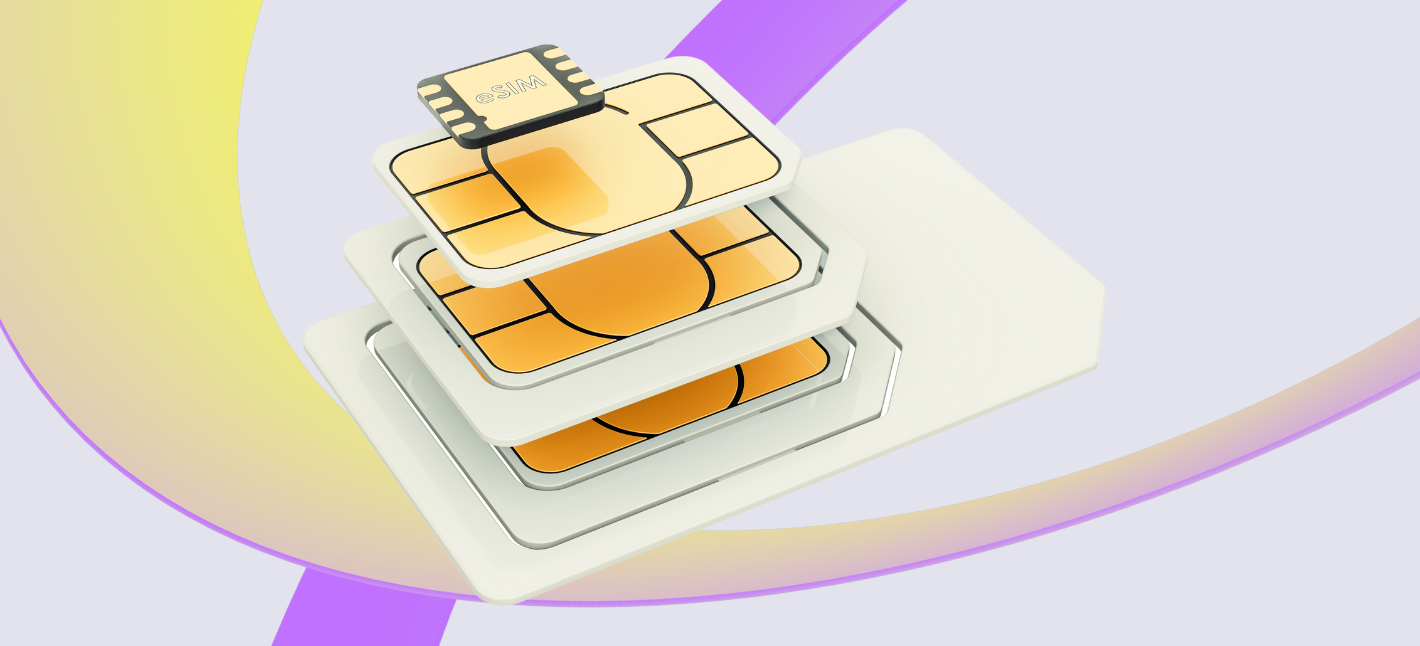
A SIM card is a small, removable chip inserted into mobile devices such as smartphones, tablets, and even some wearable devices. It stores data that connects the device to a mobile carrier’s network, enabling it to send and receive calls, text messages, and data. Without a SIM card, a mobile device can’t access cellular services, rendering it unable to perform its primary function.

The SIM card is essentially the identity card of your mobile phone. It contains unique identification data, encryption keys, and network-specific information that help the device connect to the mobile network. Each SIM card is linked to a user’s phone number, allowing for seamless access to a carrier’s services, whether it’s voice calls, text messaging, or data transmission.

The Origins of SIM Cards

The concept of the SIM card was first introduced in 1991 when the GSM (Global System for Mobile Communications) standard was established. Before the invention of SIM cards, mobile phones were tethered to specific carriers, and switching phones or service providers was cumbersome. The introduction of SIM cards revolutionized the way users interacted with mobile networks by allowing them to swap out the SIM card from one device and use it in another. This provided flexibility and portability that had previously been impossible.

In the early days, SIM cards were larger and more cumbersome, but as mobile phones became more compact, the SIM card shrank in size, leading to the various iterations we have today.

Types of SIM Cards: From Standard to Nano

Over the years, SIM cards have gone through several transformations to accommodate the increasingly smaller and sleeker designs of mobile devices. Here are the main types of SIM cards:

  1. Standard SIM: The original SIM card, measuring 25mm x 15mm, was used in early mobile phones. While largely obsolete today, it is still found in older devices and some feature phones.

  2. Micro SIM: Smaller than the standard SIM, the micro SIM card was introduced to fit newer, thinner smartphones. It measures 15mm x 12mm and is still used in some older or mid-range devices.

  3. Nano SIM: Currently the most common size, the nano SIM card measures just 12.3mm x 8.8mm. Most modern smartphones, including those from Apple, Samsung, and others, use nano SIM cards due to their compact size and efficiency.

  4. eSIM: The newest innovation, the embedded SIM (eSIM) is integrated directly into the device’s hardware. Unlike traditional SIM cards that can be physically swapped out, eSIM technology allows users to digitally switch between carriers or activate new plans remotely, without the need to physically remove a card. As mobile technology continues to evolve, eSIM is expected to be more widely adopted in the near future.

How SIM Cards Work

Although SIM cards have become a cornerstone of modern communication, their functionality is often taken for granted. To better understand their role, let’s break down how a SIM card works:

  1. Identification: When you insert your SIM card into a mobile device and power it on, the device uses the IMSI (International Mobile Subscriber Identity) stored on the SIM card to identify the user. The carrier’s network verifies this information, ensuring that the user is authorized to use the network’s services.

  2. Authentication and Connection: Once the SIM card is authenticated, it establishes a secure connection with the network, enabling the device to send and receive calls, texts, and mobile data. The SIM card essentially acts as a gateway to the network, allowing the phone to access the services provided by the carrier.

  3. Encryption: To ensure secure communication, SIM cards use encryption technology to protect calls, messages, and data. This encryption prevents unauthorized access to sensitive information, ensuring that mobile communications remain private.

  4. Roaming: SIM cards are also responsible for enabling roaming, allowing users to stay connected when traveling outside their home country. When a user enters a new region, the SIM card automatically connects to a local carrier, enabling voice and data services at lower rates than international roaming.

The Advantages of Using SIM Cards

SIM cards offer several key advantages that have made them the backbone of mobile communication:

  1. Portability and Flexibility: One of the greatest advantages of SIM cards is their portability. They allow users to easily switch between devices or carriers without losing access to their phone number, contacts, or service plan. Whether you upgrade your phone or need to use a backup device, the SIM card makes it easy to maintain continuity.

  2. Global Connectivity: SIM cards are essential for global communication, enabling users to stay connected while traveling internationally. By swapping out a domestic SIM card for a local one, travelers can avoid costly international roaming fees and enjoy more affordable rates for calls, texts, and data.

  3. Dual SIM Capability: Some modern smartphones support dual SIM functionality, allowing users to insert two SIM cards into the same device. This feature is especially beneficial for people who want to keep separate work and personal numbers or for international travelers who need to use a local 香港儲值卡 card alongside their home SIM card.

  4. Security: SIM cards are designed with security in mind. They store encryption keys that help protect the privacy of mobile communications. Additionally, SIM cards often have a PIN code feature that locks the device if it’s lost or stolen, providing an added layer of protection.

The Rise of eSIM: The Future of Mobile Connectivity

The introduction of eSIM technology is transforming the way we think about SIM cards. Unlike traditional SIM cards, which are removable and require physical swapping, eSIMs are embedded directly into the device’s hardware. This technology allows users to switch between carriers digitally, without needing to physically handle a SIM card. The benefits of eSIMs include:

  • Flexibility: Users can easily switch between networks, activate new service plans, and even manage multiple profiles (e.g., work and personal lines) without changing SIM cards.
  • Space-Saving: eSIMs eliminate the need for a physical SIM card slot, allowing device manufacturers to save space in smartphones and other compact devices like smartwatches and tablets.
  • Global Compatibility: With an eSIM, users can activate local plans when traveling abroad, saving on roaming charges and ensuring that their device remains connected in multiple regions.

As the adoption of eSIM technology increases, it is expected to replace traditional SIM cards in a wide range of devices, from smartphones and tablets to connected devices in the Internet of Things (IoT).

SIM Cards and the Future of Mobile Communication

With the evolution of 5G networks, SIM cards will continue to play a pivotal role in ensuring reliable and secure communication. As the demand for high-speed mobile data grows, SIM cards will need to support the increased network capacity and provide enhanced security features to keep up with emerging threats.

The development of multi-SIM technology could also lead to more specialized uses, such as dedicated SIM cards for IoT devices or smart cities, where seamless connectivity and minimal power consumption are critical.

Conclusion

Despite being small and often hidden within the depths of your smartphone, the SIM card is one of the most critical elements of mobile communication. From facilitating secure and encrypted communication to allowing users to roam freely across the globe, the SIM card is the silent enabler of our connected lives.

Eczema: Insights into Causes, Symptoms, and Effective Treatments

Eczema, also known as atopic dermatitis, is a common skin condition that causes discomfort for millions of people across the globe. Whether it appears as dry, itchy patches or as more severe rashes, eczema can have a significant impact on one’s daily life. Although the condition is not life-threatening, the discomfort and self-consciousness it causes can affect one's well-being.

Understanding the underlying causes, recognizing the symptoms, and knowing the treatment options available can help people manage eczema more effectively, reducing flare-ups and maintaining healthy skin.

What Is Eczema?

Eczema is an umbrella term for a group of skin conditions that cause inflammation, irritation, and itching. The most common type of eczema is atopic dermatitis, which is often referred to as eczema. Though the term "eczema" is widely used, it encompasses different types of skin issues, all leading to similar symptoms but with varying triggers and affected areas of the skin. The condition typically appears in childhood but can develop at any age.

Eczema is known for its cyclical nature, with flare-ups occurring periodically and sometimes extending for weeks. While the exact cause remains unclear, researchers believe that eczema arises from a combination of genetic factors and environmental influences.

Common Types of Eczema

Eczema is not a one-size-fits-all condition, and its manifestations can differ greatly from person to person. Here are the most common types of eczema:

  1. Atopic Dermatitis (AD): The most prevalent form, atopic dermatitis often starts in infancy or childhood. It’s linked to other allergic conditions, such as hay fever or asthma. AD causes dry, inflamed skin that is intensely itchy and often appears on the face, hands, or the folds of the elbows and knees.

  2. Contact Dermatitis: Triggered by allergens or irritants, this form of eczema appears where the skin directly encounters a substance, like a certain soap, detergent, or metal (such as nickel). It is often localized to areas in contact with the irritant.

  3. Dyshidrotic Eczema: This type affects the hands and feet, causing small, itchy blisters. It is often triggered by stress or heat, and can be both painful and frustrating to deal with.

  4. Seborrheic Dermatitis: Known for causing greasy, flaky patches on the scalp, face, and chest, seborrheic dermatitis is often confused with dandruff. It is linked to excess oil production in the skin and worsens during stress or extreme weather conditions.

  5. Nummular Eczema: This form appears as circular patches of irritated skin. It can appear anywhere on the body, and the patches are usually itchy and dry.

  6. Stasis Dermatitis: Seen in individuals with poor circulation, stasis dermatitis occurs in the lower legs and can lead to swelling, redness, and the formation of ulcers.

Symptoms of Eczema

Symptoms of eczema can range from mild to severe and may vary depending on the type of eczema one has. Some of the most common symptoms include:

  • Itching: The most notable symptom, itching (pruritus) can range from mild to intense. It often worsens at night and leads to frequent scratching, which can damage the skin.

  • Inflammation and Redness: Affected skin areas often become red, swollen, and irritated. This is caused by the body's immune response, which inflames the skin as it reacts to environmental triggers.

  • Dryness and Flakiness: The skin in eczema-prone areas becomes dry and flaky. This dryness can cause cracks, increasing the risk of infection.

  • Blisters and Oozing: In some cases, the affected skin forms blisters that can break open, leading to fluid discharge. These oozing areas may also crust over as they heal.

  • Thickened Skin: Chronic scratching can lead to a condition called lichenification, in which the skin becomes thickened, leathery, and sometimes darker in color. This typically occurs in areas where eczema is recurrent.

Causes of Eczema

While the precise cause of eczema is still being studied, experts agree that it is the result of a combination of genetic and environmental factors. Here are some of the most common contributors:

  1. Genetics: Family history plays a significant role in determining who will develop eczema. If one or both parents have eczema, asthma, or hay fever, their children are more likely to develop the condition as well.

  2. Immune System Dysfunction: Eczema is thought to occur when the immune system overreacts to certain triggers, causing inflammation in the skin. This overreaction is not fully understood but may contribute to the development of other allergic conditions.

  3. Weakened Skin Barrier: People with eczema have a compromised skin barrier, which makes it difficult for the skin to retain moisture and protect itself from irritants and allergens. This results in dry, cracked skin that is prone to flare-ups.

  4. Environmental Triggers: Various factors in the environment can trigger eczema flare-ups, including allergens such as pollen, pet dander, and dust mites. Harsh chemicals, soaps, fragrances, and extreme weather conditions (hot or cold) can also irritate the skin.

  5. Stress: Emotional stress has been shown to trigger eczema flare-ups in many people. Stress activates the immune system and can exacerbate the inflammation in the skin.

Treatment Options for Eczema

There is no cure for eczema, but effective treatments are available to manage the symptoms and reduce flare-ups. A combination of medication, skin care practices, and lifestyle changes can provide relief. Some common treatment methods include:

  1. Moisturization: Keeping the skin moisturized is crucial in eczema management. Use thick, fragrance-free creams and ointments to prevent moisture loss and protect the skin's barrier. Apply moisturizers immediately after bathing to lock in moisture.

  2. Topical Steroids: Corticosteroid creams and ointments are commonly prescribed to reduce inflammation and relieve itching during flare-ups. These are available in different strengths and should be used as directed to avoid potential side effects.

  3. Topical Non-Steroidal Medications: For sensitive areas like the face, non-steroidal treatments such as tacrolimus or pimecrolimus may be used. These work by suppressing inflammation without the risk of thinning skin that steroids can cause.

  4. Antihistamines: Oral antihistamines can help relieve itching, especially if it’s affecting sleep. They can also help manage allergic reactions that trigger 濕疹斷尾 flare-ups.

  5. Phototherapy: Light therapy involves controlled exposure to ultraviolet (UV) light, which helps reduce inflammation and encourage healing in the skin. Phototherapy is typically used for moderate to severe eczema cases.

  6. Biologic Medications: For severe eczema that does not respond to other treatments, biologic medications such as dupilumab may be prescribed. These medications target specific immune system pathways involved in the inflammatory process.

  7. Identifying Triggers: Keeping track of potential triggers, such as food, environmental allergens, or stress, can help avoid flare-ups. Avoiding known irritants can significantly reduce the severity of eczema.

  8. Lifestyle Modifications: Certain changes can help manage eczema. For example, wearing soft, breathable fabrics like cotton and avoiding harsh detergents or fragrances in clothing can reduce irritation. Reducing stress through activities like yoga or meditation can also be beneficial.

Managing Eczema Long-Term

While eczema is a lifelong condition for many people, managing it over the long term is possible with the right approach. In addition to medical treatment, following a daily skincare routine, reducing exposure to known triggers, and making healthy lifestyle choices can help prevent flare-ups and improve overall skin health.

Here are some long-term strategies for managing eczema:

  • Consistency: Consistently moisturizing the skin and using prescribed treatments, even during remission periods, can help prevent flare-ups.

  • Healthy Diet: Eating a balanced diet rich in anti-inflammatory foods, such as fruits, vegetables, and omega-3 fatty acids, may help reduce inflammation in the body.

  • Stress Management: Practicing stress-reduction techniques such as mindfulness, meditation, or exercise can help minimize flare-ups.

Conclusion

Eczema is a common and often frustrating condition, but with the right knowledge and treatment, its impact can be minimized. By understanding the causes and symptoms, recognizing potential triggers, and employing effective treatments, individuals can significantly improve their quality of life while managing eczema. Regular moisturizing, appropriate medications, lifestyle changes, and working with a healthcare provider are essential steps to reduce the frequency and severity of eczema flare-ups and maintain healthy, comfortable skin.