The Healing Power of Chinese Medicine: A Holistic Approach to Health
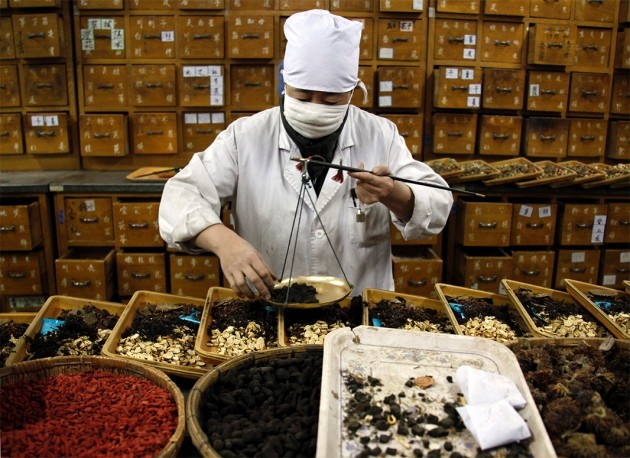
Chinese medicine, a system of healing that has been practiced for thousands of years, offers a holistic and time-tested approach to health and wellness. It integrates mind, body, and spirit, recognizing that all aspects of an individual are interconnected and that achieving balance in these areas is essential for overall well-being. In this article, we will explore the foundations of Chinese medicine, its key therapeutic modalities, and how it continues to offer solutions to modern health challenges.

The Foundations of Chinese Medicine: Ancient Wisdom

Chinese chinese medicine clinic is based on principles that have been passed down through generations, drawing on philosophical ideas, empirical observation, and a deep understanding of human physiology. At the heart of this ancient system is the belief that health is a state of balance, both within the body and in relation to the external environment.

1. Qi (Chi) – The Vital Energy

One of the central concepts in Chinese medicine is Qi, often translated as “vital energy” or “life force.” Qi is thought to flow through the body in pathways called meridians, which are like highways for the body’s energy. These meridians connect various organs, tissues, and systems, allowing for the free flow of energy that is necessary for life and health.

When Qi flows smoothly and without obstruction, the body is in harmony, and health is maintained. However, when Qi becomes stagnant, weak, or imbalanced, it can lead to illness. The goal of Chinese medicine is to restore the smooth flow of Qi, allowing the body to heal itself naturally.

2. Yin and Yang – The Balance of Opposites

The concept of Yin and Yang, which comes from Taoist philosophy, is another key principle in Chinese medicine. These two forces represent complementary but opposing aspects of the universe. Yin is associated with qualities such as cold, rest, nourishment, and passivity, while Yang represents warmth, activity, energy, and expansion.

In health, both Yin and Yang must be in balance. If one force is dominant or deficient, it can result in illness. For example, an excess of Yang might cause inflammation, fever, or restlessness, while a deficiency of Yin could lead to dryness, fatigue, or night sweats. Practitioners of Chinese medicine work to restore harmony between Yin and Yang, ensuring that both energies are balanced for optimal health.

3. The Five Elements – A Framework for Understanding Health

The Five Elements theory is another fundamental aspect of Chinese medicine. The Five Elements—Wood, Fire, Earth, Metal, and Water—represent different phases of life and the natural world, each associated with specific organs, emotions, seasons, and other physiological functions. The interactions between these elements are used to diagnose and treat health imbalances.

  • Wood corresponds to the Liver and is related to the emotion of anger.
  • Fire corresponds to the Heart and is associated with joy.
  • Earth corresponds to the Spleen and is linked with worry.
  • Metal corresponds to the Lungs and is related to grief.
  • Water corresponds to the Kidneys and is associated with fear.

Each element influences the others in a cycle of generation and control, and an imbalance in one element can affect the entire system. Chinese medicine uses the Five Elements framework to identify these imbalances and restore harmony within the body.

Key Therapies in Chinese Medicine

Chinese medicine encompasses a wide range of therapeutic modalities, each designed to treat both the symptoms and the root causes of illness. Some of the most common treatments include acupuncture, herbal medicine, cupping, moxibustion, and Tai Chi.

1. Acupuncture – Restoring the Flow of Qi

Acupuncture is one of the most widely practiced therapies in Chinese medicine. It involves the insertion of very thin needles into specific points on the body, known as acupuncture points. These points correspond to pathways of Qi flow in the body, and stimulating them is believed to restore balance and promote healing.

Acupuncture is used to treat a variety of conditions, including chronic pain, headaches, digestive disorders, stress, and insomnia. It has been shown to reduce pain, promote relaxation, improve circulation, and strengthen the immune system. Acupuncture also helps to regulate the body’s energy and can be particularly beneficial for those seeking to improve overall vitality and well-being.

2. Herbal Medicine – Natural Healing from the Earth

Chinese herbal medicine is an essential component of traditional Chinese healing. Herbal formulas are made from a combination of plants, minerals, and sometimes animal products, each chosen for its specific therapeutic properties. These formulas are carefully tailored to address the unique needs of each individual.

Common herbs used in Chinese medicine include:

  • Ginseng: Known for its ability to increase energy levels and boost the immune system.
  • Dong Quai: Often referred to as the “female ginseng,” it is used to regulate the menstrual cycle and support reproductive health.
  • Astragalus: A herb used to strengthen the immune system and prevent colds and infections.
  • Goji Berries: Believed to enhance longevity and improve vision, skin health, and energy.

Herbal formulas are often customized to balance the body's energy, nourish organs, and address specific health issues. In addition to their therapeutic effects, Chinese herbs are often used preventively to maintain health and vitality.

3. Cupping Therapy – Stimulating the Body’s Energy

Cupping therapy involves placing special cups on the skin to create a vacuum effect. This suction draws the skin and underlying tissues into the cup, stimulating blood flow, releasing toxins, and improving Qi circulation.

Cupping is commonly used to treat musculoskeletal pain, respiratory issues, and digestive problems. It is also popular for promoting relaxation and enhancing circulation. Athletes often use cupping to speed up recovery from injuries and to relieve muscle tightness and soreness.

4. Moxibustion – The Healing Power of Heat

Moxibustion is a therapeutic technique that involves the burning of a dried herb called moxa, made from mugwort, near specific acupuncture points. The heat from moxibustion is believed to stimulate Qi, expel cold, and promote healing.

Moxibustion is often used to treat conditions associated with cold or deficiency, such as digestive issues, joint pain, or fatigue. It is also helpful for individuals experiencing low energy or weakened immunity.

5. Tai Chi and Qigong – Movement and Breath for Vitality

Tai Chi and Qigong are mind-body practices that combine slow, intentional movements with deep breathing and meditation. Both practices are designed to cultivate, balance, and harmonize the flow of Qi within the body.

Tai Chi, which has its roots in martial arts, is renowned for its ability to improve balance, flexibility, and coordination. It also promotes relaxation and mental clarity. Qigong, on the other hand, emphasizes energy cultivation through focused breathing and movement.

Both Tai Chi and Qigong are effective for reducing stress, improving circulation, boosting the immune system, and enhancing overall vitality. These practices are particularly beneficial for older adults, as they help improve flexibility, balance, and mental focus.

The Relevance of Chinese Medicine in Modern Health

In today’s fast-paced and often stressful world, Chinese medicine offers a unique, holistic approach to health that is becoming increasingly popular. More and more people are turning to Chinese medicine to address chronic conditions, manage stress, and enhance their overall quality of life. Here’s why Chinese medicine remains highly relevant in the modern world:

1. Chronic Pain Management

Chronic pain conditions such as arthritis, fibromyalgia, and back pain are common issues that modern medicine struggles to address effectively. Chinese medicine offers several natural and effective treatments for pain relief, such as acupuncture, cupping, and herbal remedies. These therapies help to reduce inflammation, improve circulation, and promote the body’s natural healing processes.

2. Stress Reduction and Mental Health

In a world filled with stress and anxiety, Chinese medicine provides powerful tools for emotional well-being. Acupuncture and herbal treatments can help regulate the nervous system, reduce cortisol levels, and promote relaxation. Practices like Tai Chi and Qigong are also highly effective for managing stress, improving mental clarity, and enhancing emotional balance.

2. Yin and Yang – The Balance of Opposites

0

Many people suffer from digestive issues such as bloating, indigestion, and irritable bowel syndrome (IBS). Chinese medicine offers a holistic approach to digestive health, focusing on the underlying causes of these conditions. Herbal formulas, acupuncture, and dietary recommendations help to balance the digestive system, improve nutrient absorption, and promote optimal gut health.

2. Yin and Yang – The Balance of Opposites

1

Chinese medicine places a strong emphasis on prevention. By promoting balance and harmony within the body, Chinese medicine helps to strengthen the immune system, reduce the risk of illness, and support overall vitality. Regular acupuncture treatments, herbal supplementation, and lifestyle adjustments can help prevent disease before it manifests.

Conclusion

Chinese medicine offers a holistic and integrative approach to health that emphasizes balance, prevention, and natural healing. With its focus on Qi, Yin and Yang, and the Five Elements, Chinese medicine aims to restore harmony in the body, mind, and spirit. Through its diverse range of therapies—such as acupuncture, herbal medicine, cupping, moxibustion, and Tai Chi—Chinese medicine continues to provide effective treatments for modern health challenges, including chronic pain, stress, digestive issues, and immune support.

As more individuals seek alternative and complementary therapies to improve their health, Chinese medicine remains a valuable and powerful tool for healing and well-being. Whether you are seeking to treat a specific health condition or simply improve your overall vitality, Chinese medicine offers a path to a healthier, more balanced life.
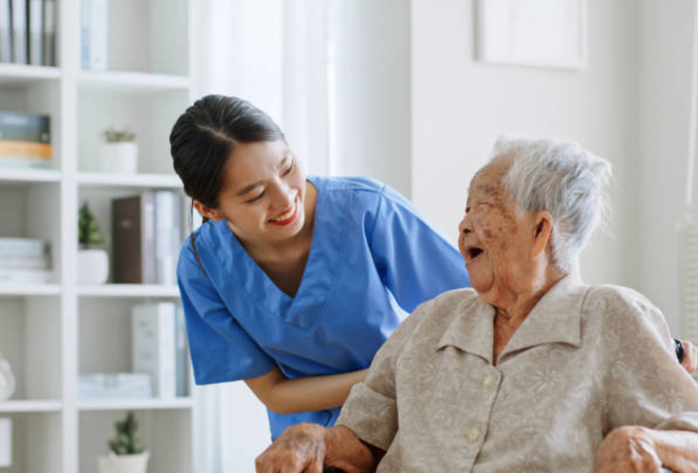
Caring Services: Providing Quality Support for the Elderly

Caring for the elderly is a vital service, especially as families face the challenges of providing proper 老人院推介 for aging loved ones. At ElderlyDB.hk, we offer a comprehensive platform to guide families in finding the right care services for their elderly relatives. Our services help families navigate the complexities of eldercare by offering a curated list of elderly homes and care facilities in Hong Kong.

Our mission is to ensure that each elderly person receives the attention they deserve, whether it’s through residential care in elderly homes or personalized home care services. We offer guidance on selecting suitable facilities based on the level of care required, from self-sufficient elders to those needing special medical assistance.

With tools like cost calculators, subsidy applications, and detailed profiles of elderly homes, ElderlyDB.hk is dedicated to making the search for care services easier, ensuring that elderly individuals can lead a dignified and comfortable life.

Holistyczne podejście do zdrowia: homeopatia, sole Schüsslera i naturalna suplementacja

Współczesny styl życia stawia przed nami coraz większe wyzwania zdrowotne. Stres, zanieczyszczenia środowiska, szybkie tempo pracy i niewłaściwe nawyki żywieniowe powodują, że nasz organizm często funkcjonuje poniżej swoich możliwości. Nic więc dziwnego, że coraz więcej osób sięga po metody naturalne – bezpieczne, skuteczne i wspierające ciało w sposób całościowy. Wśród nich wyróżnia się homeopatia, sole Schüsslera, krople Bacha oraz różne formy suplementacji.

Czym jest homeopatia?

Homeopatia to system medycyny naturalnej rozwinięty ponad 200 lat temu przez Samuela Hahnemanna. Opiera się na zasadzie „podobne leczy podobne”, czyli stosowaniu substancji, które w większych dawkach mogą wywoływać objawy chorobowe, a w małych – pobudzają organizm do samouzdrawiania. Sole Schusslera nie działa przeciwko ciału, lecz z nim współpracuje, wzmacniając mechanizmy obronne.

Warto podkreślić, że preparaty homeopatyczne są bezpieczne, nie uzależniają i mogą być stosowane zarówno u dzieci, jak i dorosłych. Coraz częściej sięgają po nie osoby, które poszukują alternatywy dla farmakoterapii lub pragną uzupełnić konwencjonalne leczenie.

Sole Schüsslera – budulec zdrowia

Sole Schüsslera, znane również jako sole tkankowe, to zestaw 12 minerałów opracowany przez dr Wilhelma Schüsslera w XIX wieku. Uważał on, że niedobory mineralne w komórkach są przyczyną wielu problemów zdrowotnych, a uzupełnienie ich w odpowiedniej formie może przywrócić równowagę organizmu.

Każda z soli pełni określoną rolę. Na przykład:

  • Ferrum phosphoricum wspiera odporność i łagodzi pierwsze objawy infekcji,

  • Magnesium phosphoricum działa rozkurczowo i łagodzi bóle mięśniowe,

  • Calcium fluoratum wspomaga elastyczność skóry i naczyń krwionośnych.

Sole są naturalne, dobrze przyswajalne i mogą być bezpiecznie stosowane przez długi czas. Ich zadaniem jest harmonizacja procesów metabolicznych i przywrócenie ciału wewnętrznej równowagi.

Krople Bacha – wsparcie emocji

Zdrowie to nie tylko ciało, ale również psychika. Doskonale rozumiał to dr Edward Bach, który stworzył system 38 esencji kwiatowych, znanych dziś jako krople Bacha. Każda z nich odpowiada konkretnemu stanowi emocjonalnemu – lękowi, złości, przygnębieniu czy braku pewności siebie.

Stosowanie kropli pomaga zharmonizować emocje i odzyskać równowagę wewnętrzną. W przeciwieństwie do środków farmakologicznych nie tłumią one uczuć, lecz wspierają proces ich przepracowania. Dzięki temu organizm lepiej radzi sobie z codziennymi wyzwaniami, a odporność psychiczna i fizyczna wzrasta.

Naturalna suplementacja – wsparcie w codzienności

Choć zdrowa dieta to podstawa, często nie jesteśmy w stanie dostarczyć wszystkich niezbędnych składników odżywczych tylko z pożywienia. Dlatego coraz większą rolę odgrywa naturalna suplementacja. Oparta na ziołach, minerałach i witaminach, wspiera prawidłowe funkcjonowanie organizmu.

Wśród najczęściej stosowanych suplementów naturalnych znajdują się:

  • witamina D – niezbędna dla odporności i kości,

  • kwasy omega-3 – wspierające serce i układ nerwowy,

  • probiotyki – dbające o florę jelitową,

  • adaptogeny (np. ashwagandha, żeń-szeń) – zwiększające odporność na stres.

Odpowiednio dobrana suplementacja nie tylko poprawia zdrowie fizyczne, ale również pomaga zachować energię, dobre samopoczucie i koncentrację.

Tradycyjna Medycyna Chińska – mądrość pokoleń

Nie można pominąć ogromnego znaczenia Tradycyjnej Medycyny Chińskiej (TMC), której korzenie sięgają kilku tysięcy lat. TMC opiera się na filozofii równowagi – harmonii między yin i yang oraz swobodnym przepływie energii „qi” w ciele.

Do najważniejszych metod należą:

  • akupunktura,

  • ziołolecznictwo,

  • dietetyka energetyczna,

  • ćwiczenia oddechowe i ruchowe, takie jak qigong czy tai chi.

Tradycyjna Medycyna Chińska nie koncentruje się wyłącznie na leczeniu chorób, lecz przede wszystkim na profilaktyce i utrzymaniu zdrowia. Dzięki temu coraz więcej osób na Zachodzie odkrywa jej potencjał i korzysta z niej na co dzień.

Holistyczne spojrzenie na zdrowie

Łącząc homeopatię, sole Schüsslera, krople Bacha, suplementację i elementy Tradycyjnej Medycyny Chińskiej, otrzymujemy prawdziwie holistyczne podejście do zdrowia. Oznacza to patrzenie na człowieka jako całość – ciało, umysł i duszę.

Takie podejście pozwala nie tylko skuteczniej walczyć z chorobami, ale także zapobiegać im, wzmacniać odporność i poprawiać jakość życia. Coraz więcej osób przekonuje się, że naturalne terapie są nie tylko bezpieczne, ale i niezwykle skuteczne, gdy stosuje się je regularnie i w odpowiedni sposób.

Podsumowanie

Naturalne metody wspierania zdrowia zyskują na popularności, ponieważ odpowiadają na potrzeby współczesnego człowieka – zmęczonego stresem, przemęczeniem i brakiem równowagi. Homeopatia, sole Schüsslera, krople Bacha, suplementacja oraz Tradycyjna Medycyna Chińska tworzą razem spójny system, który wspiera ciało i umysł w sposób całościowy.

Overcoming Domestic Violence Pathways to Healing and Empowerment

Understanding Domestic Violence

Domestic violence is a pattern of abusive behavior used by one partner to gain or maintain power and control over another. It can take many forms, including physical, emotional, psychological, sexual, and financial abuse. While physical violence is often the most visible, emotional and psychological abuse can leave equally deep scars. Recognizing the many layers of domestic violence is the first step toward understanding its impact and working toward solutions trauma to triumph.

The Emotional and Psychological Impact

Victims of domestic violence often live in constant fear, isolation, and self-doubt. The abuser may manipulate emotions, diminish self-worth, or use threats to control behavior. Over time, this erodes confidence and creates a sense of dependency on the abuser. Many survivors struggle with anxiety, depression, and post-traumatic stress disorder (PTSD) long after the abuse ends. Understanding these effects highlights the need for comprehensive support that goes beyond physical safety.

Breaking the Silence

One of the most powerful steps in overcoming domestic violence is speaking out. Silence often protects the abuser and deepens the victim’s isolation. Reaching out to trusted friends, family members, or support organizations can provide a lifeline. Hotlines, shelters, and counseling services exist specifically to help survivors take those first critical steps toward safety. Empowering survivors to break the silence creates pathways for change and reduces stigma around seeking help.

Building a Safety Plan

Safety is a priority for anyone experiencing domestic violence. A well-thought-out safety plan can save lives. This plan may include identifying safe spaces in the home, preparing an emergency bag with essentials, memorizing important phone numbers, and establishing escape routes. Survivors should also be aware of local shelters and hotlines that provide immediate assistance. Having a safety plan in place helps victims regain a sense of control in a dangerous environment.

Legal Protections and Resources

Many countries offer legal protections for survivors of domestic violence. Restraining orders, protective custody, and victim advocacy programs exist to shield survivors from further harm. While legal systems can sometimes feel overwhelming, advocacy groups and lawyers specializing in domestic violence cases help survivors navigate the process. Understanding one’s legal rights is a key part of building long-term safety and empowerment.

The Role of Community Support

Communities play an essential role in breaking the cycle of domestic violence. Friends, family members, and neighbors who recognize signs of abuse can offer support and resources. Schools, workplaces, and faith-based organizations also have the power to provide education and create safe spaces for survivors. By raising awareness and promoting zero tolerance for violence, communities help dismantle the stigma and create cultures of accountability.

Healing and Recovery

Overcoming domestic violence goes beyond physical safety; it requires emotional healing and rebuilding trust. Counseling, support groups, and therapy can provide survivors with coping strategies and tools for recovery. Healing is often a gradual process, requiring patience and self-compassion. Survivors may need to rediscover their identity, rebuild relationships, and learn to trust again. Focusing on mental health and emotional well-being helps create a foundation for long-term resilience.

Empowerment Through Independence

Economic independence is a powerful tool in breaking free from abusive relationships. Many abusers use financial control as a way to trap victims. Providing survivors with access to education, job training, and employment opportunities helps them build a future free from dependence on their abuser. Financial literacy programs and community support networks also strengthen independence and self-sufficiency.

Educating the Next Generation

Breaking the cycle of domestic violence requires education and prevention. Teaching children about respect, healthy relationships, and conflict resolution equips them with tools to recognize and reject abusive behaviors. Schools and community programs can integrate awareness campaigns that foster empathy and equality. When younger generations grow up with positive role models and strong support systems, the likelihood of repeating cycles of violence decreases.

A Path Toward Hope

Overcoming domestic violence is not an easy journey, but it is possible with the right support and resources. Survivors demonstrate incredible resilience, and each step they take toward freedom is an act of courage. By raising awareness, offering community support, and promoting healing, society can create an environment where survivors are not only safe but empowered to thrive. Every effort toward prevention, education, and advocacy contributes to building a future where domestic violence is no longer tolerated.

The Necessity Guide To Health Supplements

Health supplements are products designed to augment your daily uptake of nutrients, including vitamins and minerals. Many are safe and offer significant wellness benefits, but there are some that pose wellness risks, especially if overused. Supplement products can be found in the form of pills, capsules, powders, gel tabs, extracts, or liquids.

Yet, supplements are not well-intentioned to supervene upon food. They can’t retroflex all of the nutrients and benefits of whole foods, like fruits and vegetables. Whole foods offer three main benefits over supplements: greater nourishment, essential vulcanized fiber, and tender substances. So, it’s suggested to squander a variety show of healthy foods and limit intake of high-calorie, low-nutrient extras.

Consumers need to have a thorough sympathy of the wellness benefits, risks, and claims associated with supplements before using. It’s also essential to consult with a vitamin D3 K2 care supplier for personalized medical examination advice. The Food and Drug Administration(FDA) does not have the authorization to reexamine dietary supplement products for refuge and strength before they are marketed. Hence the users must be doubly careful and well-informed.

Different supplements do different purposes. For exemplify, Ca and vitamin D are necessity for holding castanets fresh and reduction bone loss. Folic acid decreases the risk of certain deliver defects. Omega-3 fat person acids from fish oils can help some people with heart disease. Moreover, some supplements can help tell that you get a decent consumption of requirement nutrients should your diet fall short-circuit.

Ascertaining the timber of the supplements can be thought-provoking. For starters, try to opt for brands that have been around for a while and have a good repute. Check if they’ve undergone third-party testing from organizations such as NSF International, U.S Pharmacopeia, or ConsumerLab. Moreover, bear in mind that cost isn’t necessarily an indicant of tone.

Never disregard the importance of a equal diet. While vitamins and minerals are requisite for the body, they should be consumed in the right quantities. Consuming too much of certain nutrients can cause problems, and some add on ingredients can have undesirable personal effects when taken with medicines or in high doses.

It is large to go about supplementary alimentation with a indispensable mind and a dose of realism. Indeed, taking a multivitamin is an easy way to fill in modest nutrient gaps. Nevertheless, there’s no substitute for a equal, nutritive diet that limits surplusage calories, saturated fat, trans fat, Na, and cholesterin. This regime will tighten your risk of spirit disease and certain cancers.

In ending, wellness supplements can be a beneficial summation to many individuals’ diets. Yet, it’s crucial to search and consult healthcare providers before starting any new append regimen. Furthermore, supplements should be used to a sound diet, and should never be viewed as a alternate for nutrient, whole foods.