Understanding the Importance of Open Communication
In today’s fast-paced world, mental health awareness has gained paramount importance. Open dialogue about mental health can help dismantle stigma, foster understanding, and encourage individuals to seek help. Engaging in conversations about mental well-being not only uplifts those struggling but also promotes a culture of empathy and support.
The Role of Community Support
Platforms dedicated to mental health advocacy, like talkwithbrian.org, provide invaluable resources for individuals navigating their mental health journeys. By promoting open communication, these platforms connect users with trained professionals and peers, allowing them to share experiences and strategies for coping. Community engagement is crucial in reinforcing the message that no one is alone in their struggles.
Conversational Therapy: A Modern Approach
Conversational therapy, also known as talk therapy, emphasizes the importance of dialogue in healing. This approach allows individuals to express their feelings and thoughts in a safe environment, fostering self-discovery and resilience. Studies show that regular conversations with a licensed therapist can lead to significant improvements in mental health, making it a vital tool for recovery.
Building a Supportive Network
Creating a supportive network is essential for promoting mental wellness. Family members, friends, and mental health advocates play a significant role in encouraging individuals to be open about their mental health challenges. By fostering an environment where conversations about feelings and experiences are normalized, society can work towards dismantling stigma and creating a more inclusive space for dialogue.
Conclusion
The journey to better mental health begins with conversation. By utilizing platforms like talkwithbrian.org and engaging in open discussions, we can promote mental health awareness and provide essential support to those in need. Together, we can create a society where everyone feels empowered to share their story and seek the help they deserve.
Finding the right place to relax after a busy day is important for both physical and mental wellness. If you are searching online for the best spa near me in Dhaka, you are not alone. Many people in Gulshan, Banani, Baridhara, and nearby areas look for professional spa services to reduce stress, relax muscles, and enjoy a peaceful experience.
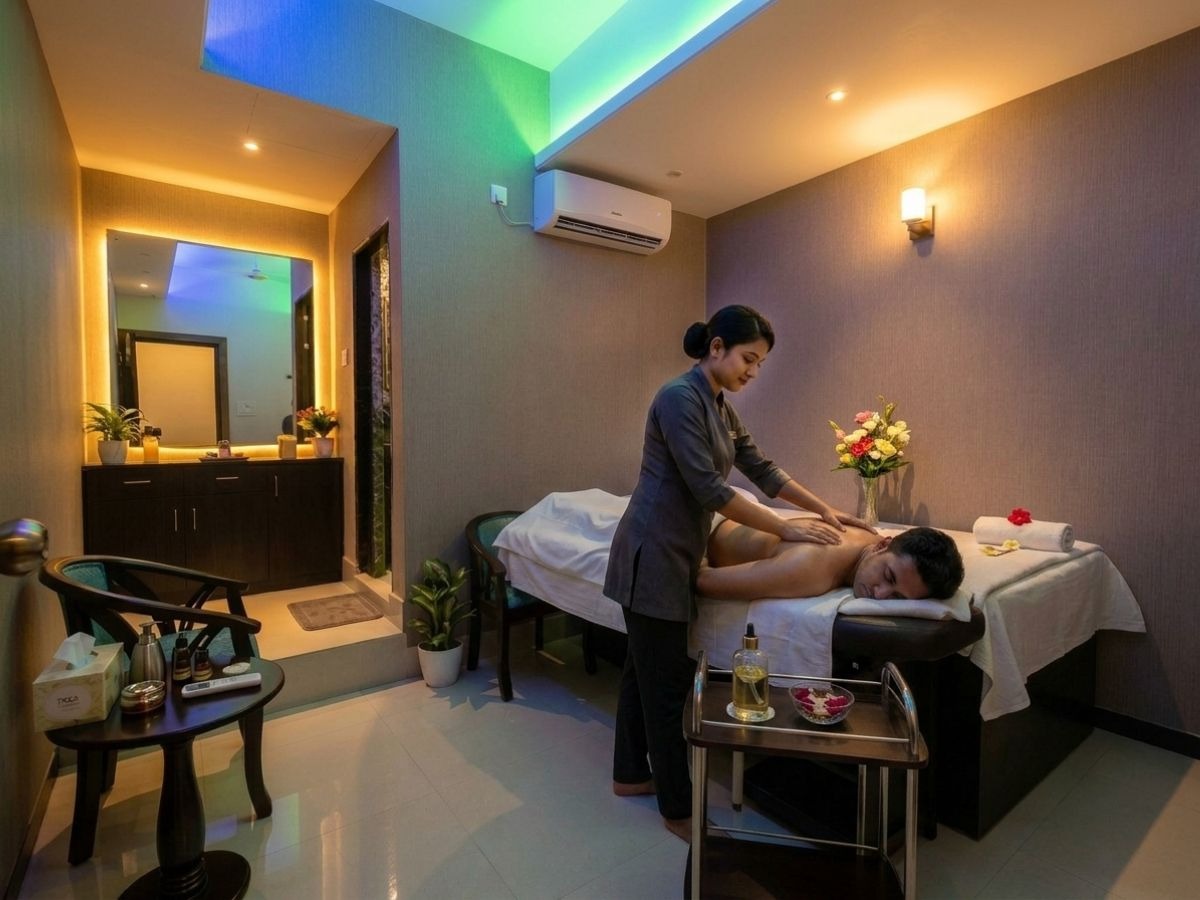
For those seeking comfort, relaxation, and premium wellness treatments, Gulshan Thai SPA Center in Gulshan 2, Dhaka offers a calm and luxurious environment with professional Thai spa therapies.
Premium Thai Spa Experience in Gulshan 2, Dhaka
Located at House 12/A, Road 55 Gulshan North Ave, Dhaka 1212, Gulshan Thai SPA Center is a trusted destination for people searching for:
Best spa near me
Thai spa near me
Luxury spa in Dhaka
Full body massage near me
Relaxing spa in Gulshan
Body to Body Massage in Dhaka
Professional Thai massage near me
The spa is easily accessible from Gulshan 1, Banani, Baridhara, Mohakhali, Niketan, and nearby areas.
Why Thai Spa Therapy Is Popular
Thai spa therapy is known worldwide for its relaxing and rejuvenating benefits. Professional Thai massage techniques help release body tension, improve circulation, and create a deep sense of relaxation.
A classic Thai therapy using stretching and pressure techniques for full-body relaxation.
Full Body Massage
Perfect for reducing body fatigue, improving circulation, and promoting wellness.
Body to Body Massage
A relaxing spa therapy designed to help reduce stress and provide complete comfort in a private environment.
Aromatherapy Massage
Relaxing massage therapy using aromatic oils for mental calmness and stress relief.
Hot Stone Massage
Warm stone therapy that helps relax muscles and improve overall comfort.
Body to Body Massage Near Me in Dhaka
Many clients specifically search for a professional Body to Body Massage near me for relaxation and stress relief. At Gulshan Thai SPA Center, clients enjoy a comfortable atmosphere, professional service, and a peaceful setting designed for wellness and relaxation.
Whether you are dealing with work stress, physical tiredness, or simply want to unwind, a relaxing massage session can help you feel refreshed and energized.
A Relaxing Spa Environment in Dhaka
A quality spa experience is not only about massage therapy — it is also about comfort, cleanliness, privacy, and professional care. Gulshan Thai SPA Center focuses on creating a peaceful and relaxing atmosphere where clients can enjoy premium spa services in Dhaka.
The spa environment is designed to help visitors:
Relax mentally and physically
Escape daily stress
Enjoy quiet personal time
Experience professional wellness therapy
Final Thoughts
If you are searching for the best spa near me in Dhaka, choosing a professional Thai spa can greatly improve your relaxation and wellness experience. From Traditional Thai Massage to Full Body Massage and Body to Body Massage services, Gulshan Thai SPA Center provides premium spa services in Gulshan 2 for people seeking comfort, stress relief, and relaxation.
For residents and visitors in Gulshan, Banani, Baridhara, and nearby areas, this spa destination offers a convenient and relaxing wellness experience in the heart of Dhaka.
About the Writer: Konok Ray is a Local SEO Expert helping businesses improve Google rankings, local visibility, and online growth through SEO and content marketing.
Introduction: Navigating ACA Coverage After Job Loss
Healthcare advisor discussing ACA coverage options with a person who lost their job
Losing a job can be a stressful and uncertain time, especially when it comes to health insurance coverage. ACA coverage if you lose a job Many Americans rely on employer-sponsored insurance (ESI), but when employment ends, so does that coverage. Fortunately, the Affordable Care Act (ACA) provides several options to ensure continued access to healthcare. This guide aims to clarify what happens to your ACA coverage if you lose a job and how you can navigate this transitional period effectively.
What Happens to Your ACA Coverage if You Lose Your Job?
Automatic Termination of Employer-Sponsored Insurance
When you leave your job, your employer-sponsored health insurance typically ends on your last working day or at the end of the month, depending on the employer’s policy. This termination does not mean you are left without options; instead, it triggers a special enrollment period (SEP) that allows you to enroll in an alternative plan through the ACA marketplace.
The Role of the Special Enrollment Period
The ACA recognizes job loss as a qualifying life event, which grants you a 60-day window to sign up for new coverage through the Health Insurance Marketplace. During this period, you can compare plans, determine coverage options, and select a plan that best fits your needs and budget. Missing this window could leave you uninsured until the next open enrollment period, which typically occurs once a year.
Continuing Coverage Options
Besides marketplace options, you might have other avenues to maintain your health coverage, such as COBRA or Medicaid, depending on your circumstances. Understanding these options is crucial to ensuring no gap in your healthcare coverage during this transition.
Key Options for Continued Coverage After Job Loss
1. Enrolling in ACA Marketplace Plans
The most accessible route for those who lose their job-based insurance is enrolling in a plan through the ACA marketplace. These plans are often subsidized based on income, making them an affordable alternative. During the 60-day SEP, you can explore various plans, compare premiums, deductibles, and coverage benefits to find the best fit.
2. COBRA Continuation Coverage
COBRA allows you to continue your employer-sponsored coverage for up to 18 months by paying the full premium, which can be costly but offers the benefit of maintaining existing provider networks and coverage. This option is ideal if you need immediate coverage while exploring marketplace plans or if you have specific healthcare needs.
3. Medicaid and State Programs
If your income decreases after job loss, you may become eligible for Medicaid or other state-based programs. These options often provide comprehensive coverage at little to no cost, especially for lower-income individuals and families. Eligibility varies by state, so it’s advisable to check your state’s Medicaid criteria.
4. Short-term Health Plans
Short-term plans are temporary health insurance options that can provide coverage during gaps in employment. However, these plans often have limited benefits and may not cover pre-existing conditions. It’s important to carefully review the coverage details before choosing this route.
5. Other Considerations: Payment Assistance and Subsidies
Depending on your income and household size, you might qualify for subsidies or premium assistance through the ACA marketplace. These financial aids significantly reduce monthly premiums and out-of-pocket costs, making healthcare more affordable during periods of unemployment.
Practical Steps to Take After Losing Your Job
1. Act Promptly Within the 60-Day Window
Once you receive notice of your job loss, immediately assess your coverage options and enroll in a plan within the 60-day special enrollment period. Delaying enrollment could leave you uninsured, exposing you to high medical costs in case of illness or injury.
2. Gather Necessary Documentation
Prepare documents such as proof of income, employment termination notice, and existing health insurance details. These will be needed when applying for new coverage or subsidies through the marketplace or Medicaid.
3. Compare Plans Carefully
Evaluate various health plans based on premiums, deductibles, hospital networks, prescription coverage, and overall benefits. A thorough comparison helps ensure you select the most suitable plan for your health needs and budget.
4. Seek Assistance if Needed
Consult with healthcare navigators or insurance agents who can help you understand your options and assist with enrollment. Many resources are available free of charge to guide you through the process.
5. Monitor Your Coverage and Renewals
Keep track of your coverage dates, premium payments, and any required documentation. Staying proactive ensures continuous coverage and minimizes the risk of gaps that could affect your health and finances.
Conclusion: Staying Protected When You Lose a Job
Losing a job does not mean losing access to healthcare. The ACA provides a variety of pathways to maintain coverage, from marketplace plans and COBRA to Medicaid and short-term options. By understanding these choices and acting promptly within the designated enrollment periods, you can safeguard your health and financial stability during transitional times. Remember, knowledge and proactive planning are your best tools in navigating ACA coverage if you lose a job in 2024 or beyond.