Do It Yourself Kitchen Cabinets How to Fake a Custom Look with Trim

If you’ve ever wanted custom kitchen cabinets but don’t have the budget for a full renovation, you’re not alone. High-end custom cabinets can be costly, but there’s an easy and affordable way to achieve the same luxurious look: trim.

Adding trim to your kitchen cabinets can transform them into something special and give the illusion of custom-built designs—without the hefty price tag. In this detailed guide, we’ll show you how to fake a custom look for your kitchen cabinets using trim.

Whether you’re refreshing old cabinets or just want to make a quick, budget-friendly update, this Do It Yourself Kitchen Cabinets project will give your kitchen a stylish new look.

Why Choose Trim for Your Kitchen Cabinets?

The Benefits of Trim

Trim is often underestimated, but it’s one of the most powerful tools in interior design. When it comes to kitchen cabinets, adding trim can completely change the appearance of the space. By using trim strategically, you can make your cabinets look custom-made, sophisticated, and designer-worthy.

  • Affordability: Custom cabinetry comes with a hefty price tag. However, trim is an affordable option that allows you to achieve a similar effect without the financial strain.

  • Customization: Trim comes in a variety of styles, so you can choose the one that best matches your kitchen’s theme. Whether you prefer a modern, farmhouse, or traditional look, there’s a trim style that will complement your design vision.

  • DIY-Friendly: You don’t need to hire a contractor to get this look. With just a few basic tools, you can do it yourself and save on labor costs.

  • Quick Transformation: Unlike full cabinet replacements or major renovations, adding trim is a fast project that you can complete in a weekend.

Types of Trim for Cabinets

When choosing trim, consider the style of your kitchen and the look you’re going for. Some popular types of trim include:

  • Crown Molding: This is the trim that sits on top of your cabinets. It’s one of the most popular choices for creating an elegant, custom look.

  • Baseboard Trim: Similar to crown molding, baseboard trim runs along the bottom of your cabinets, giving them a finished look.

  • Beadboard: Beadboard is a classic, charming trim that adds texture and interest to your cabinets, giving them a more cottage or vintage vibe.

  • Shaker-Style Trim: If you want a modern or minimalist look, shaker-style trim provides clean lines and simple design that complements contemporary kitchens.

Tools and Materials You’ll Need

Before starting your project, make sure you have all the necessary tools and materials. While the list isn’t long, each item is essential to completing the job correctly.

Materials:

  • Trim Pieces: Select trim that fits the style and aesthetic you want to achieve. You can find it at most home improvement stores in different materials such as wood, MDF, or PVC.

  • Wood Filler: This will be used to fill any gaps or nail holes once the trim is installed.

  • Paint or Stain: Depending on the finish of your cabinets, choose either paint or stain to match the trim to the existing cabinets.

  • Caulk: To fill any gaps between the trim and the cabinets, ensuring a smooth, polished finish.

  • Adhesive (Optional): For a no-nail approach, construction adhesive can be used to secure trim to the cabinet surface.

Tools:

  • Measuring Tape: You’ll need this to measure the lengths of your trim pieces accurately.

  • Miter Saw: This tool allows for precise angled cuts, especially important for corners.

  • Nail Gun or Hammer: To attach the trim to the cabinet surface. If you prefer not to use nails, adhesive can be an alternative.

  • Level: To ensure your trim is straight and level as you install it.

  • Paintbrush or Sprayer: For applying paint or stain evenly across your trim pieces.

  • Wood Filler Knife: This will be used to fill nail holes and any seams in the trim.

Step-by-Step Guide to Adding Trim to Your Kitchen Cabinets

Ready to get started? Here’s how to add trim to your kitchen cabinets in a few simple steps.

Step 1: Prep Your Cabinets

The first step in any DIY project is preparation. Clean your cabinets thoroughly before adding any trim. Use a damp cloth to remove any grease, grime, or dust from the surface. If you plan on painting your trim, you may also want to lightly sand the cabinet frames to create a smooth surface for the trim to adhere to.

If your cabinets have old trim or any hardware you plan to replace, remove them first. Use a utility knife or a pry bar to carefully remove the trim. Be gentle so as not to damage the surface underneath.

Step 2: Measure and Cut the Trim

Now that your cabinets are prepped, it’s time to measure and cut the trim. This part of the process requires precision, so take your time and measure carefully. Here’s how to do it:

  1. Measure the cabinet edges: Using a measuring tape, measure the length and height of the areas where you want to apply trim. For example, if you're installing crown molding, measure the top edge of each cabinet.

  2. Cut the trim: Using a miter saw, cut your trim pieces to the appropriate length. If you're cutting trim for corners, you'll need to use a 45-degree angle (called a miter cut). This will ensure the pieces meet seamlessly at the corners. Double-check your measurements and cuts before attaching the trim.

  3. Dry fit the pieces: Before attaching the trim, place it against the cabinet to make sure it fits perfectly. If any adjustments are needed, now is the time to make them.

Step 3: Apply the Trim

Once you’re satisfied with the fit, it’s time to attach the trim. You can use either a nail gun or adhesive, depending on your preference.

Method 1: Nail Gun

If you have a nail gun, this is the fastest and most efficient way to secure the trim. Line up the trim with the cabinet frame, ensuring it’s straight using your level. Then, use your nail gun to secure the trim, placing nails every few inches along the trim. Be careful not to nail too close to the edges to avoid splitting the wood.

Method 2: Adhesive

If you prefer not to use nails, you can use strong construction adhesive to secure the trim. Apply a thin layer of adhesive to the back of the trim and press it into place. Hold the trim for a few seconds to ensure it sticks, and use painter's tape to hold it in place as the adhesive dries.

Step 4: Fill in the Gaps and Nail Holes

Once the trim is secured, you may notice small gaps, nail holes, or seams between pieces. To create a smooth and flawless finish, fill these spaces with wood filler. Apply the filler with a putty knife, ensuring it is smoothed out to be level with the trim.

Once the wood filler dries, lightly sand the filled areas to make them smooth. Wipe down the trim to remove any dust or debris from sanding.

Step 5: Caulk the Edges

To give your cabinets a polished, professional look, use caulk to seal any gaps between the trim and the cabinet frame. Run a bead of caulk along the edges of the trim and smooth it out with your finger or a caulk-smoothing tool. This will eliminate any visible gaps and ensure a clean finish.

Step 6: Paint or Stain the Trim

Now that everything is in place, it’s time to add color. If your cabinets are already painted, you can paint the trim to match. If you prefer a natural wood look, stain the trim instead. Be sure to use a paint or stain designed for cabinets so that the trim can withstand the wear and tear of the kitchen.

  • Painting: Apply at least two coats of paint to your trim, letting each coat dry fully before applying the next. Choose a high-quality, durable cabinet paint for the best results.

  • Staining: For a natural wood look, choose a stain that complements the color of your cabinets. Apply the stain with a clean brush or cloth, and allow it to sit for a few minutes before wiping away any excess.

Step 7: Let Everything Dry

After painting or staining, let your trim dry completely before touching or installing any items back in your cabinets. This may take several hours or even overnight, depending on the paint or stain you’re using. Be patient and allow the trim to fully cure.

Adding Extra Details for an Even More Custom Look

If you’re feeling creative and want to add extra flair to your cabinets, consider these additional trim options:

  • Baseboard Trim: Install baseboard trim along the bottom of your cabinets to create a traditional, elegant look. It’s especially useful for covering up gaps or imperfections along the floor.

  • Crown Molding: Adding crown molding to the top of your cabinets will instantly elevate their appearance. Crown molding is a timeless design feature that makes your cabinets look more expensive.

  • Beadboard Panels: For a farmhouse or cottage-style kitchen, add beadboard panels to the sides or backs of your cabinets. It’s an easy way to create texture and interest in the space.

Conclusion: Enjoy Your Custom-Looking Kitchen Cabinets

With a little time and effort, you can transform your kitchen cabinets into something that looks custom-designed—without the custom price tag.

Whether you choose crown molding, baseboard trim, or beadboard, these simple upgrades will make a huge difference in your kitchen’s appearance.

Best of all, this is a DIY Cabinet project that anyone can do with a few basic tools and materials. So go ahead—give your kitchen the custom touch it deserves and enjoy your beautiful, budget-friendly cabinets for years to come!
Top-rated Repipe Accompany In Sam Houston For Full Home Solutions

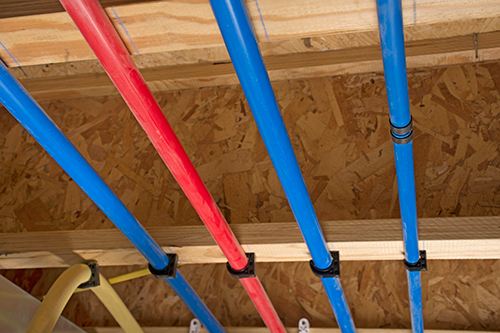
When plumbing system issues take up to appear in your home, from low irrigate hale to rusted-colored irrigate, it often signals a deeper problem within your pipes. Many homeowners across Texas have base the solution through professional person Repipe in Houston services. Repipe Solutions Inc. stands out as a leading Repipe Company specializing in full home pipe surrogate, general plumbing, and high-tech solutions like irrigate filtration and tankless water heaters. Their focus on on modern font materials and competent methods has made them one of the most trusted Repipe Specialists in the area.

Why Homeowners Need Repipe in Houston

Houston s homes, especially older ones, often have noncurrent plumbing systems made from galvanized nerve or copper that drop over time. These materials can rust or prepare leaks, affecting irrigate timbre and causation damage to walls and floors. Choosing a Repipe Plumber helps rule out these problems from the root instead of relying on temp fixes. A professional person Repipe in Houston involves replacement the old system with long-wearing PEX or piping, restoring your plumbing s performance and dependability for decades to come.

PEX pipe has become the desirable stuff because it is tolerable to , flexible for installing, and can wield both hot and cold irrigate with efficiency. Repipe Solutions Inc. uses this modern font engineering to ascertain your irrigate flows smoothly without leaks or contamination.

Benefits of Choosing a Professional Repipe Company

When you hire experts for Repipe in Houston, you are not just fixture a plumbing issue you are upgrading your stallion home s substructure. A skilled Repipe Company like Repipe Solutions Inc. offers:

  • Improved Water Pressure: Old pipes often confine flow due to buildup. A new system of rules allows uniform and fresh irrigate pressure throughout the home.

  • Better Water Quality: With modern font materials, you no yearner need to vex about rusty or discolored irrigate.

  • Energy Efficiency: New pipage works better with water heaters, helping tighten vim costs.

  • Long-Term Reliability: Once your home is repiped, you can expect decades of smooth surgical process without recurring leaks.

Having a Repipe Plumber wield your envision ensures every connection, fitting, and fixture is installed right to meet code and refuge standards.

What Sets Repipe Solutions Inc. Apart

Many companies offer plumbing services, but few particularize in nail home repiping like Repipe Solutions Inc. Their undergo in handling homes across Houston gives them a unique understanding of topical anaestheti plumbing systems, soil conditions, and edifice structures. They don t just supersede pipes; they upgrade homes for better functionality.

Their approach includes:

  • Free Estimates: They volunteer no-obligation assessments so you can understand the scope and cost before starting.

  • Same-Day Service: For imperative situations, their team is set up to react apace.

  • Financing Options: Flexible defrayment plans make it easier for homeowners to start their Repipe in Houston without delay.

  • High-Quality Materials: Using PEX and ensures a reliable and long-lasting result.

By combine Bodoni techniques with customer-focused serve, this Repipe Company delivers results that heighten comfort and peace of mind.

Signs It s Time for a Repipe

If you are ambivalent whether your home needs a full repipe, see for these park signs:

  • Frequent leaks or repairs

  • Noticeable drops in irrigate pressure

  • Water stain or bimetal taste

  • Unusual noises from pipes

  • Water stains on walls or ceilings

Ignoring these issues can lead to high repair in the hereafter. A professional person Repipe Plumber can evaluate your system and advocate whether a complete alternate is necessary. Many homeowners are dumbfounded at how speedily their plumbing system issues vanish after a specific Repipe in Houston serve.

How the Repipe Process Works

The process begins with a elaborate inspection to turn up weak or corroded pipes. Once the judgment is complete, the Repipe Specialists create a plan that minimizes disruption to your daily function. They carefully supervene upon old pipes behind walls, under floors, and through ceilings, ensuring the new system integrates seamlessly with present fixtures.

After installment, the entire plumbing system network is pressure-tested to guarantee public presentation and safety. Finally, all areas strained by the work are patched and restored, leaving your home looking as it did before the project began only with stronger and more steady plumbing system.

The Value of Local Expertise

Choosing a Houston-based Repipe Company means workings with professionals who understand the part s water conditions and twist types. Houston s wet mood and experient living accommodations sprout often lead to pipe and stuff buildup, problems that local anesthetic experts like Repipe Solutions Inc. are well-prepared to figure out. Their intimacy with local codes ensures your picture meets all safety and compliance requirements.

More Than Just Repiping

Beyond whole-home pipe replacement, Repipe Solutions Inc. offers a full range of plumbing services that keep your home in superior form. Their expertise includes:

  • Drain cleansing and sewerage line repairs

  • Water filtration system of rules installation

  • Tankless water warmer frame-up and maintenance

These services complement their Repipe in Houston projects by providing nail plumbing care from start to wind up. Whether you need a moderate fix or a full system of rules alternate, they are armed to handle every detail.

Investing in a Reliable Plumbing Future

Your home s plumbing system is one of its most essential systems, and investment in a full Repipe in houston can save you from eld of expensive repairs and frustrations. Repipe Solutions Inc. continues to set the standard for tone, transparency, and lasting workmanship in the Houston area.

When your water flow feels weak or your pipes start screening their age, career the Repipe Specialists could be the smartest decision for your home s future. Repipe Solutions Inc. provides trusty serve spiny-backed by Bodoni font materials, versed technicians, and client-focused care. With a strong foundation shapely on reliableness, they make sure every householder in Houston can enjoy safe, strip, and homogeneous water for years to come.

Pourquoi Faire Appel Une D Coratrice D Int Rieur Toulouse Pour Sublimer Votre Espace

Toulouse, ville de caract re et d l gance, la d coration int rieure occupe une place essentielle dans le quotidien de nombreux habitants. Entre custom et modernit, il n est pas toujours facile de trouver le juste quilibre dans son am nagement. C est l qu intervient la d coratrice d int rieur Toulouse, experte en harmonie des espaces et en cr ation d ambiances uniques.

Un accompagnement personnalis pour chaque projet

Faire appel une d coratrice Toulouse, c est b n ficier d un accompagnement sur mesure. Que vous veniez d acqu rir un bien, que vous souhaitiez moderniser votre int rieur ou simplement apporter une touche de fra cheur votre d coration, la d coratrice saura s adapter vos envies.

Elle commence toujours par une psychoanalyse approfondie de votre espace: la lumi re naturelle, les volumes, les contraintes architecturales, mais aussi votre mode de vie. partir de ces l ments, elle con oit un projet coh rent, esth tique et fonctionnel.

Des id es cr atives et des solutions concr tes

La d coratrice d int rieur Toulouse unite cr ativit et technicit. Gr ce son expertise, elle sait notice sublimer une pi ce sans la surcharger, optimiser les rangements et choisir décoratrice Toulouse bons mat riaux. Ses propositions ne se limitent pas la d coration: elle r invente les espaces pour les rendre plus agr ables et plus pratiques au quotidien.

Elle peut par exemple transformer un petit beauty shop en un lieu convivial et spacieux gr ce des astuces d agencement et de couleur. Ou m tamorphoser une chambre ordinaire en un cocon de d tente et de s r nit.

L art de marier les styles Toulouse

Toulouse, surnomm e la Ville Rose, s duit par son patrimoine et son computer architecture unique. Cette diversit revolutionise les d coratrices locales, qui savent int grer des touches r gionales dans leurs cr ations.

Les briques ros es, les poutres apparentes, ou les sols en terre cuite peuvent tre mis en valeur travers un design modern et pur. Une d coratrice Toulouse saura trouver le juste quilibre entre authenticit et modernit pour refl ter votre personnalit tout en respectant le charme toulousain.

Un gain de temps et une meilleure ma trise du budget

Confier votre projet une d coratrice, c est aussi viter les erreurs co teuses. Elle conna t les fournisseurs locaux, les artisans qualifi s et les mat riaux adjust s votre budget. Vous b n ficiez d un suivi complet, de la conception la r alisation, sans try.

De plus, elle peut vous suggester des solutions astucieuses pour optimiser votre budget tout en obtenant un r sultat professionnel et durable.

Une touche conclusion unique

Chaque d tail compte dans un projet de d coration: les textiles, les luminaires, les accessoires ou les couleurs choisies participent l ambiance g n rale. Gr ce son il averti, la d coratrice d int rieur Toulouse apporte la touche clos qui transforme une maison ordinaire en un v ritable lieu de vie chaleureux et inspirant.

Rideaux d’air Masterveil


Lorsque vous cherchez une solution pour conserver la chaleur à l’intérieur et empêcher l’air froid d’entrer — ou inversement — à travers des portes ouvertes ou des passages, le rideau d’air est un investissement intelligent. Ce dispositif crée une « porte invisible » grâce à un flux d’air puissant qui empêche le mélange entre les différentes zones de température. Ainsi, vous réduisez les pertes d’énergie, améliorez le confort intérieur et réalisez des économies. Dans les environnements commerciaux, industriels ou logistiques, les rideaux d’air sont devenus une solution incontournable pour optimiser l’efficacité énergétique acheter des rideaux d’air.

Masterveil : l’entreprise derrière les rideaux d’air
Masterveil
est un fabricant spécialisé dans la conception et la production de rideaux d’air haut de gamme sur mesure, fort de plus de 35 ans d’expérience.

 L’objectif de Masterveil est clair : offrir des produits innovants et durables, parfaitement adaptés aux exigences spécifiques de chaque client, afin de réduire les pertes d’énergie et d’améliorer la performance climatique des bâtiments.

L’entreprise se distingue par sa capacité à allier conseil technique et production personnalisée : chaque installation est conçue selon les besoins exacts du site.

Les rideaux d’air Masterveil
 Masterveil propose une large gamme de systèmes de rideaux d’air, incluant des modèles compacts, des unités à ventilateurs externes et des solutions pour très grandes ouvertures.


Un des points forts de la marque est l’utilisation de la technologie brevetée Airstop, qui génère un flux d’air concentré et stable formant une barrière efficace entre deux zones thermiques, tout en minimisant la consommation d’énergie. Pour les environnements réfrigérés, Masterveil a développé le système Powerstream, conçu pour limiter les pertes de froid et réduire les cycles de dégivrage. Les rideaux d’air peuvent être équipés de chauffage électrique, de chauffage à eau ou fonctionner sans chauffage selon les besoins spécifiques de l’installation. Tous les modèles sont fabriqués pour offrir une grande durabilité et une maintenance aisée.

Applications des rideaux d’air Masterveil
 Les rideaux d’air Masterveil sont conçus pour une grande variété d’applications :

  • Entrées commerciales et bâtiments publics
     Dans les magasins, restaurants, hôtels ou bureaux, les rideaux d’air Masterveil maintiennent la température intérieure stable même lorsque les portes restent ouvertes.

     
  • Portes industrielles et logistiques
     Dans les entrepôts ou usines, ils permettent de préserver le climat intérieur malgré les allées et venues fréquentes de marchandises et de véhicules.

     
  • Chambres froides et espaces réfrigérés
     Les systèmes Powerstream de Masterveil sont spécialement conçus pour réduire la perte de froid et améliorer l’efficacité énergétique des zones de stockage frigorifique.

     
  • Grandes ouvertures industrielles ou multiples passages
     Masterveil propose des solutions sur mesure pour les grandes portes ou les zones comportant plusieurs accès simultanés.

     
  • Applications mobiles et camions frigorifiques
     Des modèles spécifiques existent pour les véhicules de transport, afin de maintenir une température stable pendant le chargement et le déchargement.


Vous recherchez un rideau d’air performant et écoénergétique, parfaitement adapté à votre bâtiment ? Découvrez dès aujourd’hui les solutions Masterveil. Rendez-vous sur le site officiel masterveil-eu.com/ pour en savoir plus, obtenir des conseils personnalisés ou demander un devis gratuit. Faites confiance à l’expertise de Masterveil pour optimiser votre confort et vos économies d’énergie.


Cost of Hiring a Professional Gas Fitter?

If you live in Albuquerque or elsewhere and need to install or repair gas plumbing or appliances, hiring a Gas Fitter Albuquerque (or a qualified gas fitter in your area) is often the safest and most reliable choice. But many homeowners or property owners hesitate because they don’t know what it will cost. In this guide, we’ll walk step by step through how pricing is determined, what you can expect to pay, how to get good quotes, what risks and hidden costs to watch out for, and how to choose a professional. By the end, you’ll have a clear, realistic picture of the cost of hiring a professional gas fitter, and how to make smart decisions.


Why Hire a Professional Gas Fitter?

Before we dig into costs, it’s important to understand why you shouldn’t just DIY or hire someone without proper credentials:

  • Gas systems carry real safety risks: leaks, carbon monoxide, explosions. A certified gas fitter knows to follow code and safety procedures.

  • Local building codes often require licensed professionals to do gas work and sign off on inspections.

  • Professionals bring proper tools, training, and insurance.

  • If something goes wrong after you attempted DIY or hired a non-licensed person, your liability and repair costs may far exceed hiring a pro upfront.

With that in mind, let’s explore what factors influence cost.


Key Factors That Influence Cost

When hiring a gas fitter, many variables affect the price. Some of the major ones:

1. Labor Hourly Rate and Skill Level

Gas fitters and plumbers usually charge by the hour. Depending on experience, region, demand, and urgency, that rate may vary. In many places, you might see rates from US $45 up to $200 per hour, especially for complex or emergency work. Mobile Homes Corpus Christi+2itsdone.com+2

In Albuquerque specifically, a journeyman gas fitter’s average wage is about $28.48/hour according to recent surveys. ZipRecruiter

Higher skill level (master fitter, emergency calls, certifications) often commands a premium.

2. Length and Complexity of Pipe Runs

How far the gas line must run, how many turns, obstacles (walls, concrete, floors), and whether excavation is needed all affect cost. More linear feet, more fittings, more labor.

For interior lines, Albuquerque professional sources suggest about $35.64 per linear foot (interior from meter to appliance), with a typical range around $29.22 to $42.05. plumbers.promatcher.com

Nationally, installing gas lines can cost $12 to $25 per linear foot (labor + materials) depending on complexity. HomeGuide+2Home Advisor+2

3. Material Costs and Type of Pipe

Materials include pipe, fittings, connectors, regulators, valves, and safety devices. The cost per foot will depend on the type of pipe (black iron, copper, stainless, corrugated stainless steel (CSST), etc.).

Typical material cost can be $1 to $9 per linear foot, depending on pipe size and material quality. Home Advisor+2HomeGuide+2

4. Permits, Inspections, and Code Compliance

Many municipalities require permits and inspections for gas work. These may cost from $50 to $300 or more, depending on location and local regulations. Home Advisor+2itsdone.com+2

Also, the gas fitter may have to perform pressure tests, leak tests, or other certification procedures, which add labor and cost.

5. Site Conditions and Access

If trenching is required (underground lines), breaking concrete, working in confined spaces, or navigating ceilings and walls, labor and complexity go up. Likewise, restoration (patching walls, replacing floors, re-landscaping) adds cost.

Trenching costs might be $4 to $12 per foot or more, depending on depth and soil conditions. Home Advisor+3Angi+3itsdone.com+3

6. Distance from Gas Source or Meter

Running gas from the street, meter, or main supply to your building may require a longer line and potentially additional regulatory or utility costs. New service lines (from street to house) are more expensive than internal distribution lines. Home Advisor+2itsdone.com+2

7. Appliance Types and Requirements

Different appliances (stoves, water heaters, furnaces, grills, fireplaces) may require different pipe diameters, pressure regulators, or special connections, which can raise cost. If multiple appliances are involved, there is more complexity.

8. Emergency or After-Hours Work

Work done late at night, weekends, or under emergency conditions often carries a surcharge (1.5× to 2× regular rates) to compensate the fitter.

9. Local Market and Demand

Where you live, local labor availability, competition, and cost of living affect how much a gas fitter charges. In Albuquerque, local wages tend to reflect mid-range U.S. plumbing/gas rates.


Typical Cost Examples and Ranges

To give you a practical feel, here are some common scenarios and cost ranges. These are approximate and will differ by region and job details.

Installing a New Appliance (e.g. Gas Stove)

If you already have a gas meter nearby and just need to run a line to a new stove, expect:

Running Line to an Outdoor Grill or Firepit

Given the line is outside and may require trenching, costs may be higher:

Gas Line for Water Heater or Furnace

Connecting a water heater or furnace may require medium length pipe runs and proper pressure allowance:

Major Line Installation or New Home Gas Hookup

If you're building a new home or converting a home to gas:

  • Running a new gas service line from the street to house plus internal distribution may cost $1,300 to $3,500+ on average. HomeGuide+2itsdone.com+2

  • Very complex or long runs can push costs to $9,000+ in extreme cases. itsdone.com

Average and Typical Ranges

  • According to HomeAdvisor, average gas line installation costs are around $598 (with typical range $272 to $936). Home Advisor

  • Thumbtack estimates fixed price installations between $355 and $1,208 depending on scope. Thumbtack

  • In Albuquerque, interior gas line work is averaged at $35.64/linear foot from meter to appliance (range $29.22 to $42.05). plumbers.promatcher.com

These ranges help you set realistic expectations when getting quotes.


What Makes a Quote from a Gas Fitter

When you contact a gas fitter for a quote, here’s what they’ll typically consider and include:

  1. Site inspection: They will survey existing plumbing, the route for piping, obstacles, code constraints, and access.

  2. Material cost: Pipes, valves, connectors, regulators, supports, safety devices.

  3. Labor hours estimate: Based on distance, complexity, obstacles.

  4. Permit and inspection fees: They’ll include local code requirements.

  5. Testing and certification: Pressure testing and leak checking.

  6. Restoration work: Patching walls, flooring, concrete, landscaping after installation.

  7. Contingency: Extra cost for surprises (e.g. hidden obstacles, corrosion)

  8. Overhead, travel, and profit: The company must cover travel, insurance, and margin.

A good quote will break down line items: materials, labor, permit, and restoration.


How to Get Accurate Quotes

Here are recommended steps to get realistic and comparable quotes:

  • Provide a detailed description: distance, obstacles, appliances, diagrams or photos if possible.

  • Ask multiple gas fitters (at least 2 or 3) for written itemized quotes.

  • Ask about hourly rate, rate for overtime/emergency, and whether they supply materials or you supply some.

  • Confirm they carry appropriate licenses, insurance, and warranties.

  • Ask whether they will take care of permits and inspections (and include that cost).

  • Ask about what might increase price (e.g. hidden issues) and how they handle change orders.

  • Ask for references or past jobs and check reviews.

  • Don’t pick the lowest blindly — extreme low bids sometimes cut corners.


Hidden Costs and Extra Charges to Watch Out For

Sometimes the real cost exceeds initial expectations due to hidden or extra charges. Be mindful of:

  • Unseen obstacles: If walls, floors, or concrete must be cut, that adds cost.

  • Rusty or corroded pipes: May need replacement, not just partial work.

  • Accessibility: More labor in tight, awkward spaces.

  • Permit delays or rework: Failed inspections might require rework.

  • Emergency surcharges: Nights/weekends cost more.

  • Utility company coordination: If you need to coordinate with gas utility or dig near mains, extra fees may apply.

  • Restoration work: Painting, drywall, landscaping, concrete patching.

  • Gas meter relocation or upgrades: If your meter must be moved or upgraded, that is extra.

  • Extended testing: Some codes require long duration pressure tests (12–24 hours), costing more labor.

Ask upfront about these so your quote is as complete as possible.


Cost Breakdown Example (Hypothetical)

Let’s walk through a sample scenario to see how a quote might be built:

Scenario: You have a gas meter outside, want to install a gas stove 25 feet into your kitchen wall. You have to cut a small hole in drywall. No major obstacles.

  • Material cost (pipe, fittings, valves): say $8/ft × 25 ft = $200

  • Labor estimate: 4 hours at $70/hr = $280

  • Permit & inspection: $100

  • Pressure test / certification: $100

  • Restoration (patch drywall, paint): $80

  • Contingency / overhead: $40

Total estimate: $800

If there were more obstacles (e.g. concrete, long trench, multiple bends), cost might double or more.


Cost Specifics for Albuquerque / Local Considerations

Since we used “Gas Fitter Albuquerque” in the intro, it’s worth noting specific local factors:

  • Local wages and cost of living in Albuquerque may push the labor rate toward the mid U.S. range.

  • The quoted rate of $35.64 per linear foot (interior) from Albuquerque cost calculators gives a local benchmark. plumbers.promatcher.com

  • Some local plumbers in Albuquerque also handle gas appliance repair and installation, so combining multiple tasks may reduce mobilization cost.

  • Local code or inspection agencies may have specific requirements, so permit cost and administrative delays must be considered.

  • If the gas utility or municipal line work is involved, there might be extra fees or coordination needed.

When you get local quotes in Albuquerque, compare them against these benchmarks to judge fairness.


Tips to Save Money (Without Compromising Safety)

Hiring a gas fitter doesn’t have to drain your wallet. Here are smart strategies:

  • Bundle jobs: Combine installation of multiple appliances in one visit to reduce travel and set-up costs.

  • Use simpler materials: Don’t over-specify premium pipe types unless needed.

  • Prepare the path: Clear obstacles in advance, open walls or floors before they arrive.

  • Get permits yourself if allowed (if cheaper) — but be very careful of risks.

  • Ask for fixed bid instead of open-ended hourly so cost doesn’t balloon.

  • Schedule work during normal hours, not rush or emergency times.

  • Negotiate a small discount if you are providing some materials or doing part of the prep.

Still, safety and code compliance must not be sacrificed for savings.


When You Should Expect Higher Costs

Some scenarios typically push the cost into the upper range:

  • Long or deep trenching, under foundation or driveway

  • Multiple obstacles (concrete, walls, floors)

  • Multiple appliances or long branch circuits

  • Meter relocation or main line work

  • Emergency repair or urgent work

  • Working in tight/awkward or hazardous spaces

  • Replacing old or corroded piping

  • Complex testing or extended certification requirements

In those cases, a job that might start as $500 could easily become $2,000 or more.


Warning Signs of a Low-Quality Quote

When evaluating gas fitter quotes, watch out for these red flags:

  • No breakdown of materials vs labor vs permit fees

  • Very low flat rate that seems “too good to be true”

  • No mention of permits or inspections (skipping that is dangerous)

  • No warranty, license, or insurance offered

  • Vague language or ambiguity about extra costs

  • No site visit before quoting

  • Demand for full payment upfront before work begins

If you see these, ask clarifying questions or consider another provider.


Return on Investment and Long-Term Value

Hiring a qualified gas fitter correctly the first time is an investment:

  • Lower risk of leaks, damage, or safety hazards

  • Assurance that work passes inspection and meets code

  • Fewer repair costs or rework in future

  • Better performance of appliances

  • Insurance and liability protection

The extra cost for professional, well-done installations pays off over time.


Step-by-Step Guide to Hiring a Gas Fitter

Here’s a practical sequence for you:

  1. List your needs: appliance(s), distances, obstacles, potential pipe path.

  2. Take measurements and photos.

  3. Contact 2–3 licensed gas fitters, provide your details and ask for itemized quotes.

  4. Confirm their credentials, licenses, insurance, references.

  5. Ask questions about what’s included, potential extra costs, warranty.

  6. Compare quotes, not just by price — look for completeness and balance.

  7. Select the one you trust, schedule the work during regular hours.

  8. Before work begins, ensure permits are filed.

  9. During work, monitor progress and ask about changes or surprises.

  10. After installation, ensure pressure testing, inspection, and certification are done.

  11. Keep all documentation and warranties for future reference.


Frequently Asked Questions (FAQs)

Q: Can I try to do the gas fitting myself?

A: Generally no. Gas work typically requires licensed professionals. Mistakes can be dangerous. Codes often prohibit DIY gas installation.

Q: How long does it take?

A: For small jobs, a few hours. For large installations or new builds, several days. It depends on site complexity and permit delays.

Q: Do I pay more for nighttime or emergency work?

A: Yes, expect surcharges for after-hours, weekends, or urgent calls.

Q: Will the gas company pay for part of it?

A: Sometimes the utility may subsidize or help with parts of the service line, but most internal distribution is your cost.

Q: How often should gas lines be inspected?

A: Many recommend periodic inspections (every few years) for leaks, corrosion, and safety, which can cost extra.


Conclusion

The cost of hiring a professional gas fitter depends on many variables: labor rates, material types, distance, site complexity, permits, inspections, and local market conditions. In Albuquerque, you can expect interior gas line work to average around $35.64 per linear foot, but actual quotes may vary. plumbers.promatcher.com

Typical gas line installations in the U.S. range from $272 to over $1,200 or more depending on scale and difficulty. itsdone.com+3Home Advisor+3Thumbtack+3

To manage costs wisely:

  • Always get itemized quotes from licensed professionals.

  • Understand all components: labor, materials, permits, restoration.

  • Avoid the cheapest blindly — safety and quality matter.

  • Ask about hidden costs ahead of time.

  • Bundle tasks and schedule during regular hours.

By doing your homework and using this guide, you can approach hiring a Gas Fitter Albuquerque (or your local gas fitter) with confidence. Make sure you understand the quote you receive, and don’t hesitate to ask questions or get second opinions. A well-executed job is safer, more reliable, and more cost-effective in the long run.