
Revolutionizing Jewelry Casting: A Deep Dive into Sterling Silver Processes
Bold designs, intricate details—these are what originally draw jewelers and customers alike to the mesmerizing world of jewelry casting. Yet, beneath the allure lies the meticulous art of sterling silver castings. In an industry renowned for its glamour, have you ever wondered what truly defines quality and precision? (Hint: It’s not just about the shine or polish.) Jewelry casting, particularly with sterling silver, requires a balance of skill and technology. So, how does one simplify this complex process without losing artistic flair? Let’s delve into what sterling silver casting means for today’s jewelry creators.
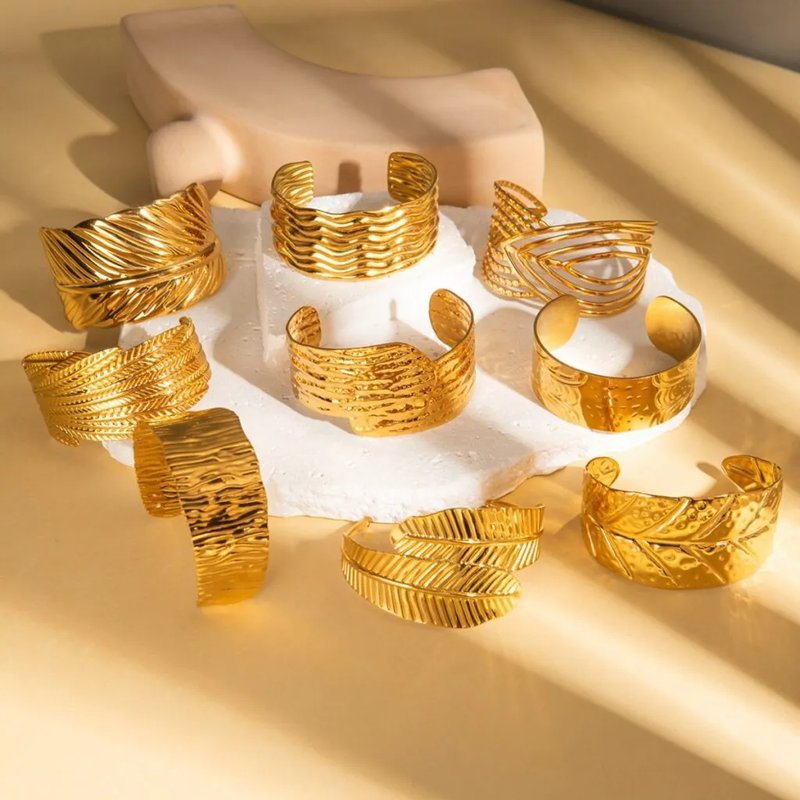
Unveiling the Flaws of Traditional Jewelry Casting
Jewelry experts know—the flaws in traditional methods often revolve around energy consumption and precision. Let’s break it down: older techniques for sterling silver castings typically relied heavily on manual labor and rudimentary tools. Here lies the first problem—consistency. How often have quality variations sneaked into a batch? With terms like vacuum casting and investment casting, precision sounds like a given, but complications arise—often leaving jewelers frustrated. Look, it’s simpler than you think; these conventional methods lack the finesse required in today’s competitive market.
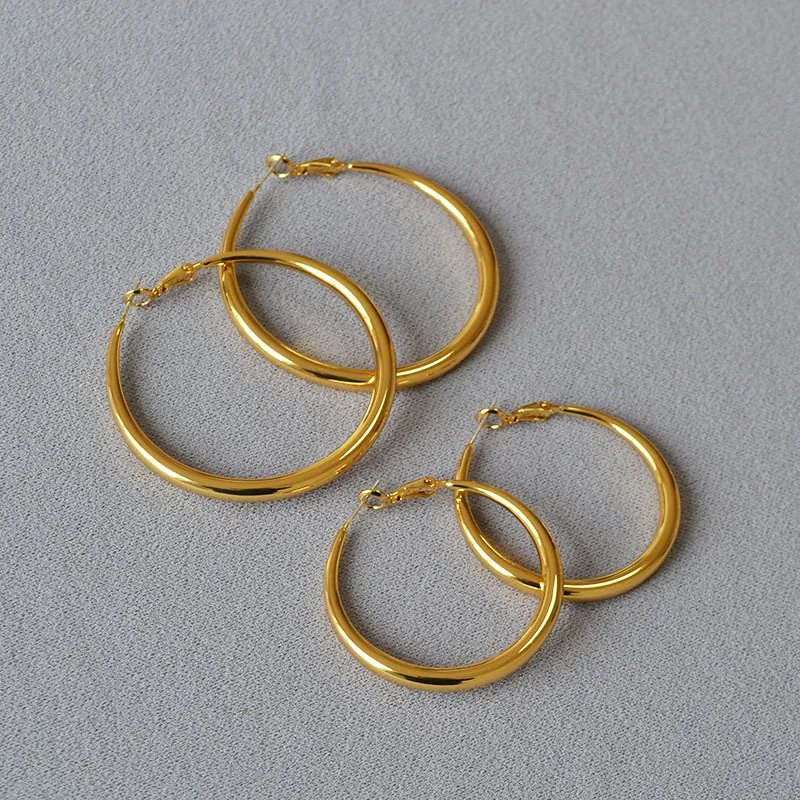
Harnessing Modern Advances: Case Examples and the Future
Imagine the possibilities when merging technology with tradition. The recent shift toward integrating smart technology in jewelry crafting is setting new standards. Consider a jeweler leveraging computerized models to enhance the quality of sterling silver castings—reducing errors, improving detail, and cutting down waste. What’s next in this transformation? Real-world impacts of these advancements can be profound (and cost-effective, too). Not only does this methodology stand to elevate precision, but it also opens doors to creativity without the worry of imperfections.
Conclusion: Evaluating Jewelry Crafting in a New Light
It’s funny how every innovation reshapes our understanding of the traditional process, right? In the journey of jewelry crafting, advancements in sterling silver castings guide us to reconsider our approach. By understanding case examples of technological adoption and identifying new benchmarks, we see a harmonious fusion of art and science. The lessons are clear—precision, efficiency, and innovation are within reach. As you explore such transformations, consider metrics like durability, finish quality, and material waste as your guideposts.
For those eager to embrace the future of jewelry casting, opportunities abound. It’s about blending timeless techniques with modern creativity. To stay on the cutting edge of jewelry design, consider how your workflow might evolve. Let the knowledge shared by industry leaders like Star Harvest inspire your next moves.