
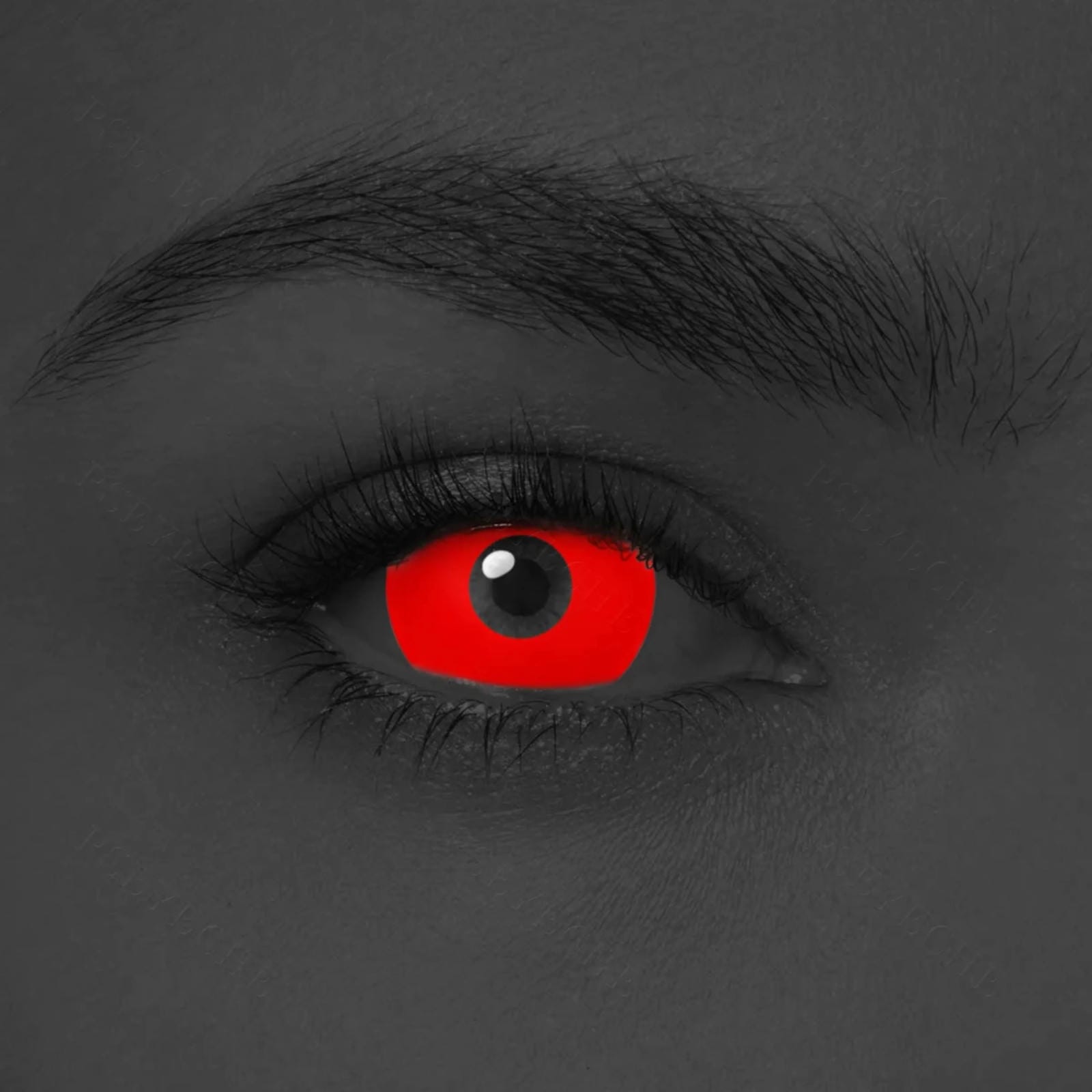
In Holocene eld, the eerie and enthralling look of white-out adjoin lenses has surged in popularity, transitioning from niche repulsion props to mainstream forge statements. Originally studied for histrionics and cinematic effects, these incomprehensible lenses characterised by their solid state white visual aspect that covers the iris and student have evolved into painting symbols across amusement and avant-garde fashion scenes.
Origins in Film and Horror
Whiteout meet lenses first gained care in the earthly concern of repulsion movie theatre, where they were used to depict occult beings such as demons, zombies, ghosts, and the controlled. Films like The Exorcist, Evil Dead, and 28 Days Later in effect used them to transfer the”soul” from a s eyes, heightening their fear factor. The blank stare created by whiteout lenses plays on key fears when the eyes, often considered the windows to the soul, appear dead or unnatural, it creates a mighty and unsettling visible.
Special effects artists and directors speedily completed the affect these lenses had on audiences. As virtual personal effects became more sophisticated, actors wear white-out contacts brought an extra stratum of realness to their transformations, qualification them a staple fibre in the genre.
From Screen to Street: Whiteout Lenses in Fashion
As with many elements of film , white-out meet lenses didn t stay confined to the test. They started appearing in medicine videos, on runways, and at fashion-forward events. Artists like Marilyn Manson and Billie Eilish have experimented with eye-altering lenses to push boundaries and make bold seeable statements. The immoderate of a whiteout lens against natural skin tones or vibrant make-up gives an almost otherworldly esthetic something that s become progressively worthy in high-concept fashion editorials.
Gothic, , and rave subcultures have embraced whiteout lenses as part of a bigger slue of body qualifying and aesthetic experiment. In these circles, the lenses are not only a tool for self-expression but also a way to take exception conventional ravisher standards.
The Role of Social Media and Cosplay
The explosion of cosplay and platforms like TikTok, Instagram, and YouTube has helped cement white-out adjoin lenses in pop . Influencers and creators use them to enhance character portrayals from video games, Zanzibar copal, and comics. Whether it s a dim warrior, a haunted doll, or an alien tabby, white-out lenses are necessity in creating a disenchanting and dramatic shift.
Tutorials on how to wear and care for these lenses have made them more available, and their ascension popularity among make-up artists has turned them into a key tool for inventive verbalism.
Safety and Regulation
Despite their popularity, whiteout contact lenses should always be used with caution. As with all lenses, they must be decently fitted and formal by an eye care professional. Non-prescription gross sales often establish online or in shops can pose serious risks, including infections, tissue layer scratches, and vision damage.
Regulatory bodies in several countries have chapped down on unauthorised sales, urgency consumers to prioritise refuge. Many professional person make-up artists and seasoned cosplayers now urge for responsible lens use, supporting following to seek medical advice before buying.
The Future of Whiteout Lenses
Whiteout adjoin UV Contact Lenses are no longer just tools for scaring audiences or shocking forge critics. They stand for a ontogenesis product between public presentation, individuality, and seeable art. As fashion continues to blur the lines between reality and fantasise, and as media seeks ever more immersive experiences, it’s likely these hitting lenses will carry on to evolve in both plan and application.
Whether used to conjure fear, mystery story, or stunner, one matter is clear: the rise of whiteout contact lenses is more than a swerve it’s a perceptiveness shift in how we view the eyes as a canvass for expression.